
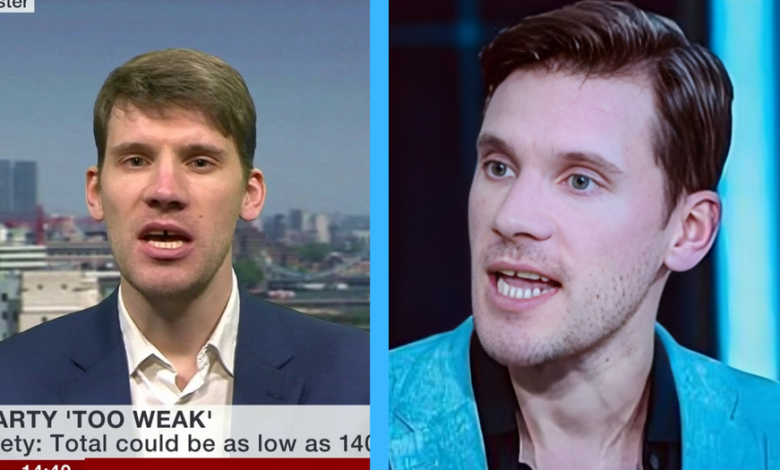
George Eaton has emerged as one of the most influential figures in modern British political journalism, known for his sharp analysis, authoritative interviews, and deep understanding of Westminster politics. With a career spanning more than fifteen years, he has played a defining role in shaping how complex political events are explained to the public. From Brexit and Labour’s ideological struggles to the realities of governance after electoral victories, Eaton’s work consistently bridges insider knowledge and accessible storytelling. His association with the New Statesman has positioned him at the heart of political debate in the United Kingdom.
As journalism has evolved in the digital age, Eaton has adapted with remarkable agility. Balancing editorial leadership, daily political briefings, and long-form commentary, he represents a new generation of political editors who combine traditional reporting values with modern media demands. His career reflects both continuity and change in British journalism.
| Field | Details |
|---|---|
| Full Name | George Eaton |
| Date of Birth | 27 November 1986 |
| Age (as of 2026) | 39 years |
| Birthplace | United Kingdom |
| Nationality | British |
| Profession | Journalist, Political Editor, Author |
| Known For | British political journalism, New Statesman editor, Westminster analysis |
| Current Position | Senior Editor (Politics) & Chief Leader Writer, New Statesman |
| Years Active | 2009 – Present |
| Education | University of Warwick |
| Degree | First-Class BA in History and Politics |
| Schooling | Berkhamsted School, Hertfordshire |
| Political Affiliation (Student) | Warwick Labour (Former President) |
| Early Career | PoliticsHome (Political Reporter) |
| Major Publication | New Statesman |
| Notable Roles | Political Editor (2014–2018), Joint Deputy Editor (2018–2019), Senior Online Editor (2020–2024) |
| Book Authored | Sadiq Khan: The Making of a Mayor (2018) |
| Newsletter | Morning Call (New Statesman) |
| Notable Interviews | Francis Fukuyama, Christopher Hitchens, Yanis Varoufakis, Ben Bernanke |
| Major Controversy | 2019 Roger Scruton interview |
| Media Appearances | BBC News, Sky News, Newsnight |
| Other Publications | The Times, The Sunday Times, Evening Standard |
| Parents | Not publicly disclosed |
| Siblings | Not publicly disclosed |
| Marital Status | Not publicly disclosed |
| Children | No public information available |
| Residence | United Kingdom |
| Religion | Not publicly disclosed |
| Ethnicity | Not publicly disclosed |
| Social Media Presence | Active on X (Twitter) for political commentary |
| Legacy | Influential voice in modern British political journalism |
Early Life and Background
Born on 27 November 1986, George Eaton grew up in an intellectually supportive environment that encouraged debate, reading, and curiosity about public affairs. While he has kept much of his early family life private, it is clear that his formative years played an important role in shaping his analytical mindset. From an early age, he demonstrated an interest in politics, history, and current affairs, interests that later became the foundation of his professional life.
Eaton’s upbringing coincided with a period of rapid political change in Britain and globally. The post–Cold War era, debates over globalization, and the early years of the War on Terror all formed the backdrop of his adolescence. These wider events helped foster his interest in power, ideology, and political institutions, themes that would later dominate his journalism.
Education and Academic Foundations
A significant chapter in George Eaton’s development was his education at Berkhamsted School, a respected independent school in Hertfordshire. There, he built a strong academic foundation and developed skills in critical thinking, writing, and debate. His teachers and peers recognized his aptitude for analysis and leadership, traits that would later define his professional reputation.
From 2005 to 2008, Eaton studied at the University of Warwick, where he earned a first-class degree in History and Politics. This academic training provided him with a rigorous understanding of political theory, historical context, and institutional power. At Warwick, he immersed himself in student politics, gaining practical experience alongside academic learning.
Student Politics and Early Leadership Roles
During his university years, George Eaton took on several leadership positions that sharpened his political instincts. He served as President of Warwick Labour from 2005 to 2006, where he engaged directly with policy debates and party organization. This role gave him insight into internal party dynamics, factionalism, and grassroots activism, knowledge that would later inform his reporting on national politics.
He also worked as Secretary of the Warwick Politics Society from 2006 to 2007, organizing discussions, debates, and speaker events. These experiences strengthened his ability to moderate complex conversations and ask probing questions. By the time he graduated, Eaton had developed a rare blend of academic depth and practical political awareness.
Entry into Journalism and Early Career
After completing his studies, George Eaton began his professional journey in journalism at PoliticsHome, a well-known political news website. This role exposed him to the fast-paced nature of political reporting, where speed, accuracy, and clarity are essential. Covering Westminster news and policy developments, he learned how to distill complex information into accessible stories for a broad audience.
His time at PoliticsHome served as a training ground, allowing him to build confidence, contacts, and editorial judgment. The experience prepared him for larger responsibilities and introduced him to the rhythms of parliamentary reporting. It was here that Eaton began to refine the concise yet analytical style that would later define his work.
Joining the New Statesman
In 2009, George Eaton joined the New Statesman after being recruited by editor Jason Cowley, a pivotal moment in his career. Initially appointed as a staff writer, he quickly distinguished himself through his clarity of thought and originality. The publication, known for its intellectual heritage, proved an ideal platform for Eaton’s analytical strengths.
He soon became editor of the magazine’s political blog, The Staggers, which gained a reputation for insightful commentary and timely analysis. Under his leadership, the blog won Online Comment Site of the Year at the 2013 Comment Awards, cementing his status as a rising figure in political journalism.
Rise to Political Editor
By 2014, George Eaton was appointed Political Editor of the New Statesman, a role he held until 2018. This period coincided with some of the most turbulent years in recent British political history. From the Scottish independence referendum to the Brexit vote, Eaton’s analysis helped readers navigate uncertainty and ideological conflict.
His writing during this time combined historical context with contemporary insight, making complex political developments understandable without oversimplification. Eaton became known for identifying underlying trends and long-term consequences, rather than focusing solely on daily political drama. This approach earned him respect across political and journalistic circles.
Editorial Leadership and Expanded Responsibilities
Following his tenure as Political Editor, George Eaton served as Joint Deputy Editor from 2018 to 2019. In this capacity, he helped steer the magazine’s political coverage during a period marked by leadership challenges within the Conservative and Labour parties. His editorial philosophy emphasized depth, fairness, and intellectual rigor over sensationalism.
After a brief and controversial transition in 2019, Eaton later assumed the role of Assistant Editor. By February 2020, he became Senior Online Editor, focusing on strengthening the publication’s digital presence. In January 2024, he was promoted to Senior Editor (Politics) and Chief Leader Writer, reflecting his enduring influence within the organization.
Landmark Interviews and Political Analysis
A defining feature of George Eaton’s career has been his ability to conduct thoughtful, high-impact interviews. He has spoken with globally recognized thinkers such as Francis Fukuyama, Christopher Hitchens, Nassim Nicholas Taleb, Yanis Varoufakis, and Ben Bernanke. These conversations explored themes ranging from liberal democracy and economic crises to populism and globalization.
His interviews are known for meticulous preparation and probing follow-up questions. Eaton’s calm yet incisive style encourages candor, allowing readers to gain genuine insight into the ideas shaping global politics. These contributions have significantly enhanced the intellectual reputation of the New Statesman.
The Roger Scruton Controversy
In April 2019, George Eaton found himself at the center of a major controversy following an interview with philosopher Roger Scruton. Selected quotes from the interview led to Scruton’s dismissal as a government adviser, sparking intense public debate. Critics accused Eaton of presenting quotes without sufficient context, while supporters argued the public deserved scrutiny of Scruton’s views.
The New Statesman later issued an apology acknowledging that partial quotations had distorted the philosopher’s meaning, and Scruton was reinstated. Eaton also apologized for a celebratory social media post related to the incident. The episode became a widely discussed case study in journalistic ethics and accountability.
Resilience and Professional Recovery
Despite the controversy, George Eaton demonstrated resilience and professionalism in rebuilding his standing. He continued to contribute influential analysis and gradually regained senior editorial responsibilities. The experience reinforced the importance of accuracy, context, and restraint in political journalism, lessons that have informed his subsequent work.
Rather than diminishing his career, the episode highlighted the pressures faced by journalists operating in an era of social media amplification. Eaton’s ability to navigate criticism and maintain relevance underscored his adaptability and commitment to journalistic standards.
Recent Work and Role in 2026
As of 2026, George Eaton remains a central voice in British political commentary. He authors the New Statesman’s Morning Call briefing, offering daily insights into Westminster developments. His analysis covers the challenges facing the Labour government elected after 2024, including economic recovery, party unity, and public trust.
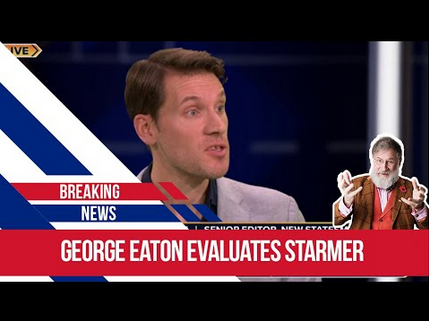
Eaton also contributes to outlets such as The Times, The Sunday Times, and the Evening Standard, expanding his reach beyond a single publication. Regular appearances on BBC News, Sky News, and Newsnight further amplify his influence in national debate.
Authorship and Published Works
Beyond journalism, George Eaton is the author of “Sadiq Khan: The Making of a Mayor”, published in 2018. The book explores the personal and political journey of London’s mayor, situating his rise within broader social and demographic changes in Britain. Eaton combined biographical detail with political analysis, making the book accessible to both general readers and policy enthusiasts.
The publication reinforced Eaton’s reputation as a writer capable of long-form narrative, extending his influence beyond periodical journalism. It also reflected his interest in leadership, identity, and the future of progressive politics.
Family Background and Personal Life
Information about George Eaton’s family and relatives is largely private, and he has chosen to keep these aspects of his life away from public scrutiny. Details about his parents, siblings, or extended family have not been publicly disclosed. This discretion reflects a clear boundary between his professional work and personal relationships.
As of publicly available information, there are no confirmed details regarding a spouse, children, or former partners. Eaton’s focus in public discourse remains firmly on his professional contributions rather than his private life. This respectful privacy aligns with journalistic norms and avoids unnecessary speculation.
Influence on British Political Discourse
Over the past decade and a half, George Eaton has played a meaningful role in shaping British political discourse. His writing has helped readers understand ideological shifts, electoral strategies, and policy debates during periods of uncertainty. By contextualizing events rather than sensationalizing them, he has contributed to a more informed public conversation.
While some critics perceive a progressive or left-leaning perspective in his work, Eaton’s analysis is widely recognized for its rigor and fairness. His ability to engage with opposing viewpoints has earned him credibility across the political spectrum.
Legacy and Continuing Relevance
The legacy of George Eaton lies in his commitment to clarity, context, and intellectual honesty. In an era marked by misinformation and polarization, his journalism emphasizes evidence and thoughtful interpretation. As political media continues to evolve, Eaton’s blend of editorial leadership and analytical writing serves as a model for future journalists.
His ongoing work ensures that he remains a relevant and influential observer of British politics. Whether through interviews, editorials, or daily briefings, Eaton continues to shape how political stories are told and understood.
Conclusion
George Eaton stands as a resilient and influential figure in British political journalism. From his academic foundations at Warwick to his senior editorial role at the New Statesman, his career reflects dedication to informed analysis and public understanding. Despite facing controversy, he has maintained relevance and authority through adaptability and professionalism. As Britain navigates new political challenges, Eaton’s voice remains an essential guide for readers seeking clarity, depth, and perspective.
Frequently Asked Questions
Who is George Eaton?
George Eaton is a British journalist and political editor, serving as Senior Editor (Politics) and Chief Leader Writer at the New Statesman.
When was George Eaton born?
He was born on 27 November 1986.
What is George Eaton known for?
He is known for incisive political analysis, high-profile interviews, and editorial leadership in British political journalism.
What controversy is associated with George Eaton?
The 2019 Roger Scruton interview, which raised debates about quotation context and journalistic ethics.
Has George Eaton written any books?
Yes, he authored “Sadiq Khan: The Making of a Mayor” in 2018.
Is George Eaton married?
Details about his marital status and family life are not publicly disclosed.
Get more updates or Stories on Next Magazine