
Tips for Integrating Apparel Programs by MFG Merch Into Your Yearly Marketing Strategy

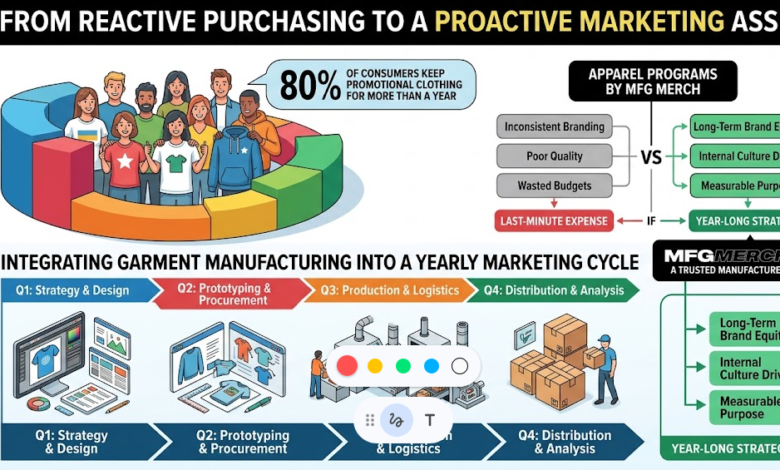
Statistics indicate that approximately 80% of consumers keep promotional clothing for more than a year, yet many organizations fail to plan their garment procurement beyond a single event. Treating merchandise as a last-minute expense leads to inconsistent branding, poor garment quality, and wasted marketing budgets. By establishing a year-long strategy through apparel programs by MFG Merch, businesses can transform reactive purchasing into a proactive marketing asset that drives long-term brand equity and internal culture. This article provides a comprehensive roadmap for integrating professional garment manufacturing into a yearly marketing cycle to ensure every piece of clothing serves a measurable purpose.
Main Takeaways
- A proactive annual strategy reduces production costs by allowing for bulk apparel printing and early fabric sourcing.
- Quarterly seasonal shifts require different fabric weights and garment types to maintain brand visibility year-round.
- High-quality custom branded apparel acts as a long-term marketing vehicle, outlasting digital advertisements in cost-per-impression.
- Integrating technical elements like QR codes and digital fulfillment streamlines the transition from physical merch to online conversions.
Strategic Value of Promotional Clothing Programs
Moving away from one-off orders is the first step toward professionalizing a brand’s physical presence. When a company orders apparel as needed, they often face fluctuating prices, limited fabric availability, and inconsistent logo applications. A centralized program ensures that every item, whether a lightweight performance tee or a heavyweight hoodie, meets exact brand specifications and quality standards. This consistency is vital for corporate uniform solutions where employees are expected to represent the company’s professional image across various environments.
Building Brand Consistency
Consistency in custom logo workwear involves more than just a repeating logo. It requires matching pantone colors across different fabric compositions, such as cotton-poly blends and pure synthetics. A dedicated program allows for master-batching of materials, ensuring that the “navy blue” on a summer polo matches the “navy blue” on a winter parka. This attention to detail signals professional competence to clients and partners, reinforcing the brand’s reliability through visual uniformity.
Improving Employee Morale
The psychological impact of high-quality garments should not be underestimated. Employees view well-constructed apparel as an investment in their comfort and professional status. Providing private label clothing manufacturing quality—meaning retail-grade retail fits and soft-hand fabrics—encourages staff to wear the gear outside of work hours. This transforms employees into organic brand ambassadors, extending the marketing reach into the community without additional advertising spend.
Annual Planning and Inventory Cycles
Successful apparel management follows the calendar year, aligning production lead times with seasonal demand. Effective planning starts with an audit of the previous year’s successes and failures, identifying which items were most requested and which remained in storage. This data-driven approach allows for better allocation of the marketing budget toward items that provide the highest return on investment.
Q1 Foundations and Budgeting
The first quarter is dedicated to internal alignment and logistical setup. This is the period to establish the annual budget for all custom branded apparel and decide between on-demand merchandise fulfillment services or bulk warehousing. Establishing the core color palettes and updating logo files for different printing methods—such as screen printing, embroidery, or direct-to-film—prevents delays later in the year. Launching a “New Year, New Gear” campaign for employees during this time can re-energize the workforce and set a professional tone for the months ahead.
Q2 Seasonal Performance Gear
As temperatures rise, the focus shifts to breathable fabrics and outdoor event preparation. This is the time to secure inventory for summer trade shows and community events. Utilizing moisture-wicking synthetics and lightweight ring-spun cottons ensures that the brand remains visible during outdoor activities. Planning for Q2 also involves the early development of “booth magnets”—unique, high-quality items that draw traffic to trade show exhibits and provide a lasting memory of the interaction.
Q3 Community Growth Campaigns
Third-quarter strategies often revolve around brand awareness and user-generated content. Limited-edition “Summer Drops” or back-to-business campaigns utilize exclusive designs to create a sense of urgency and community. Launching a brand ambassador program with specialized kits is an effective way to leverage local influencers or loyal customers. Providing them with exclusive, high-thread-count garments ensures they are motivated to feature the products on social media, creating authentic digital impressions.
Q4 Gifting and Retention
The final quarter is the peak season for client appreciation and holiday incentives. High-end outerwear, such as custom-embroidered softshell jackets or 400 GSM heavyweight hoodies, are ideal for premium gifting. These items carry a high perceived value and are more likely to be retained for years. Integrating these physical items into digital holiday marketing funnels—such as a gift-with-purchase for Black Friday—can significantly increase average order values in a retail or B2B context.
Technical Standards for High-End Manufacturing
Quality in garment manufacturing is measured by technical specifications that determine how a product feels and performs over time. Understanding these metrics allows marketing managers to make informed decisions that avoid the “disposable” feel of cheap promotional items. A focus on durability and tactile quality ensures that the clothing remains in the wearer’s active wardrobe rather than being discarded.
Material Sourcing and GSM
GSM, or Grams per Square Meter, is the standard measurement for fabric weight. A standard t-shirt typically ranges from 140 to 160 GSM, while a premium, durable heavyweight tee might reach 200 to 240 GSM. Selecting the right GSM is crucial for the intended use; lighter weights are better for athletic promotions, while heavier weights are preferred for streetwear-inspired merch. Additionally, sourcing combed and ring-spun cotton over open-end cotton results in a smoother surface that is ideal for high-detail bulk apparel printing.
Decoration Techniques and Longevity
The method used to apply a logo affects both the cost and the lifespan of the garment. High-density screen printing offers vibrant colors and durability for high-volume orders. Embroidery provides a classic, textured look suitable for corporate uniform solutions but requires careful digitizing to ensure the fabric does not pucker. For complex, multi-color designs or small batch runs, advanced heat transfer technology can provide a retail-quality finish that withstands 50+ industrial wash cycles without cracking or peeling.
Fabric Performance Comparisons
Selecting the appropriate textile requires balancing comfort, cost, and functional requirements. For instance, while 100% cotton is prized for its natural feel and breathability, it lacks the moisture management properties of specialized polyester. Tri-blends offer a middle ground, providing a vintage feel and excellent drape, though they often come at a higher price point per unit. Use this table as a quick reference when deciding between materials based on comfort and long-term performance.
| Fabric Type | Comfort Level | Durability | Breathability | Cost | Ideal Use |
| Ring-Spun Cotton | High – Soft and natural | Moderate – Needs care | High – Excellent airflow | $$ | Lifestyle and retail merch |
| Interlock Polyester | Moderate – Silky feel | High – Resists wrinkles | Superior – Wicks moisture | $$$ | Athletic and activewear |
| CVC (Cotton/Poly) | High – Balanced feel | High – Holds shape well | Moderate – Good all-rounder | $ | Bulk uniforms and events |
| Tri-Blend Jersey | Superior – Premium soft | Moderate – Very light | High – Great for heat | $$$$ | High-end brand gifts |
| Heavyweight Fleece | High – Warm and cozy | Very High – Long lasting | Low – Retains heat | $$$ | Winter hoodies and jackets |
Technical Integration with Digital Channels
Modern apparel programs should not exist in a vacuum; they must be synced with digital marketing efforts. Utilizing custom-woven neck labels or hem tags with integrated QR codes can bridge the gap between physical and digital spaces. A recipient can scan a tag to be taken to a specific landing page, a re-order form, or a digital brand experience. This turns every garment into a portal for digital engagement and data collection.
Furthermore, professional photography of the custom apparel is essential for social media and email marketing. High-resolution images showing the texture of the fabric and the precision of the logo work help build trust before a customer even touches the garment. When a brand treats its merch with the same aesthetic care as its core product line, it elevates the entire brand perception.
Summary of Strategic Benefits
Transitioning to an annual garment strategy provides several key advantages for growing brands. By planning ahead, organizations secure better pricing, ensure consistent brand representation, and create items that people actually want to wear. A structured approach allows for the selection of superior fabrics and advanced decoration techniques that reflect the company’s commitment to quality. Ultimately, a well-executed apparel program transforms clothing into a powerful, multi-year marketing tool that generates continuous impressions long after the initial investment.
FAQs About Annual Apparel Strategy
How do I determine the right quantity for bulk orders?
Quantities should be based on a combination of historical usage data and projected growth. It is generally more cost-effective to order a 6-to-12-month supply to benefit from volume discounts, especially for core items like staff uniforms or standard promotional tees. Factor in a 10% buffer for unexpected events or new hires.
What is the average lead time for high-quality production?
Standard production cycles typically range from 4 to 8 weeks depending on the complexity of the garment and the sourcing requirements. However, for fully custom private label clothing manufacturing, lead times can extend to 12 weeks to allow for sampling, fit adjustments, and ocean freight. Planning 3 to 4 months in advance is the safest approach for major launches.
How does MFG Merch assist with fabric selection?
The team at MFG Merch provides technical consultations to match brand goals with specific textile properties. By analyzing the intended use case—whether it is for high-activity labor or executive gifting—they recommend specific GSM weights, yarn counts, and fiber blends. This ensures the final product meets expectations for both durability and wearer comfort.
Can I mix different garment types in one program?
Yes, a comprehensive program often includes a variety of silhouettes including t-shirts, hoodies, headwear, and outerwear. The key is maintaining a consistent design language and color story across all pieces. Grouping these into a single annual strategy allows for more cohesive brand storytelling and streamlined logistics.
Get more updates or Stories on Next Magazine