
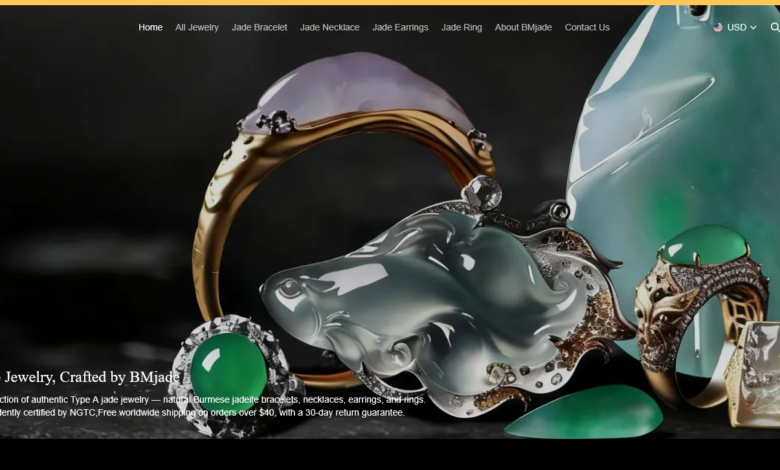
A finished jade bracelet, pendant, ring, or pair of earrings can look calm and effortless. The surface is smooth, the polish is gentle, and the color may feel deep, soft, or quietly luminous. But behind every piece of authentic Burmese jadeite jewelry, there is a much longer journey.
That journey begins before the jewelry is carved, polished, photographed, or worn. It begins with rough jadeite: a natural material shaped by geology, risk, experience, and human judgment.
For buyers, understanding this journey matters. Jadeite jewelry is not only about choosing a green stone. The final value of a piece depends on sourcing, material selection, treatment status, cutting decisions, carving skill, polish, certification, and design intention. A beautiful jade necklace or bracelet is the result of many careful steps, not just one attractive stone.
This is why the path from Hpakant to Yunnan is important. It helps explain why authentic jadeite jewelry carries cultural depth, craftsmanship, and trust.
Why Burmese Jadeite Has a Special Reputation
Myanmar has long been one of the most important sources of jadeite in the world. The Hpakant region, in particular, is strongly associated with Burmese jadeite and has played a major role in the jade trade for generations.
Burmese jadeite is respected because it can produce material with rich color, fine texture, good translucency, and strong market recognition. Some of the most admired jadeite pieces in the world are connected with Burmese material.
However, origin alone does not make every piece valuable. Not all Burmese jadeite is high grade. Some rough material may be dull, fractured, opaque, heavily included, or unsuitable for fine jewelry. A piece still needs to be judged by quality, treatment status, color, structure, and craftsmanship.
This is why responsible sourcing matters. The value of jadeite begins with knowing how to select the right material.
Rough Jadeite Is Difficult to Judge
Unlike many transparent gemstones, jadeite rough often hides its secrets. The outside of a stone does not always reveal what is inside. A piece of rough jadeite may contain beautiful color in one area and cracks in another. It may show promise from the surface but prove weak after cutting. It may also contain natural patterns that require careful planning.
This uncertainty is one reason jadeite is difficult to buy and work with. Choosing rough jadeite requires experience, patience, and risk awareness. The person selecting the material must think about color, texture, translucency, internal fractures, usable size, and possible final designs.
A rough stone cannot become every kind of jewelry. A clean and stable section may be suitable for a bangle. A smaller area of good color may become a pendant, cabochon, ring, or earring. Material with interesting patterns may be better for carving.
The best jadeite jewelry begins with respecting what the stone can become.
The Importance of Material Selection
Material selection is one of the most important stages in jadeite jewelry. A skilled eye can see potential where others see only stone, but it can also recognize danger where others see beauty.
For example, a piece of rough jadeite may have attractive green color, but if the structure is weak or full of cracks, it may not be suitable for a bangle. Another piece may have softer color but better texture and stability, making it more suitable for daily-wear jewelry.
Good sourcing is not about chasing the brightest green material every time. It is about matching quality, purpose, and design.
A bracelet needs durability. A pendant needs visual balance. A ring needs secure setting and resistance to daily impact. Earrings need lightness and comfort. Each jewelry type requires a different approach to the jadeite material.
This is where expertise begins long before the finished piece reaches the customer.
From Hpakant Material to Yunnan Craftsmanship
After rough jadeite is selected, the next major stage is craftsmanship. In many jade jewelry supply chains, Yunnan plays an important role because of its long connection with jade trade, carving, polishing, and jewelry finishing.
The journey from Burmese jadeite rough to Yunnan workshops represents a bridge between raw material and wearable art. The stone may begin as a block with hidden potential, but it becomes jewelry only through cutting, shaping, carving, polishing, and setting.
This process requires both technical skill and cultural understanding. Jadeite is not simply cut for maximum shine. It is often shaped to express meaning, harmony, and balance. A Ping An Kou pendant should feel smooth and complete. A Buddha pendant should feel peaceful. A Dragon carving should show movement and strength. A bracelet should feel comfortable on the wrist. A ring should protect the stone while remaining wearable.
Good craftsmanship gives jadeite its final voice.
Cutting Decisions Shape the Final Piece
Cutting jadeite is a serious decision because every cut changes what the material can become. A wrong cut can waste good color, expose cracks, or reduce the value of the stone.
Before cutting, the artisan must study the rough material. Where is the best color? Where are the hidden lines? Which area has enough strength? Which design will preserve beauty while reducing risk?
A bangle requires a larger, stable section of jadeite. A pendant may allow more creativity. A cabochon ring may need a small but beautiful area of color and translucency. Earrings often require matched pieces, which can be difficult when natural jadeite varies so much.
The goal is not simply to produce jewelry. The goal is to bring out the best version of the material.
Carving Adds Meaning
Jadeite jewelry is often symbolic. This is especially true in Chinese jewelry culture, where shapes and motifs carry meaning.
A Ping An Kou pendant may represent peace, safety, and wholeness. A Hulu pendant can symbolize health and protection. A Buddha pendant may express joy, patience, and compassion. A Dragon pendant may represent strength, authority, and success. A Pixiu design may be connected with wealth protection and opportunity. A Lotus may symbolize purity and renewal.
Carving these symbols requires more than technical control. The expression, shape, proportion, and polish all affect how the symbol feels. A Buddha face should not look tense. A Dragon should not feel lifeless. A Hulu should have balanced curves. A Lotus should feel graceful rather than crowded.
When craftsmanship is poor, the meaning becomes weaker. When craftsmanship is careful, the jadeite carries both beauty and intention.
Polishing Reveals Jadeite’s Quiet Beauty
Polishing is one of the most important final steps in jadeite jewelry. A good polish can reveal depth, smoothness, and subtle glow. A poor polish can make even decent jadeite look dull or unfinished.
Jadeite does not sparkle like a diamond. Its beauty is quieter. It comes from surface smoothness, internal texture, color depth, and the way light enters the stone. Good polishing allows these qualities to appear naturally.
The surface should feel smooth to the touch. Edges should be gentle. A bracelet should glide comfortably. A pendant should rest softly against the skin. A ring should not catch on clothing or scratch the finger.
Polish is not only visual. It affects how the jewelry feels when worn.
Treatment Status and Authenticity
One of the most important questions in jadeite jewelry is whether the material has been treated.
Type A jadeite refers to natural jadeite that has not been bleached, dyed, or polymer-filled. It may be cut, carved, polished, and finished, but the jadeite itself remains untreated in the major ways that affect value.
Treated jadeite is different. Type B jadeite is usually chemically bleached and polymer-filled. Type C jadeite is dyed. Type B+C jadeite has both treatment and dye. These processes can make lower-quality material look brighter or cleaner, but they reduce value and long-term trust.
For buyers, this distinction is essential. Two pieces may look similar online, but one may be natural untreated jadeite and the other may be treated. Their real values can be very different.
This is why material transparency matters so much when buying jadeite jewelry.
Why Certification Matters
Certification helps protect buyers from uncertainty. A professional gemological certificate can help confirm whether the material is jadeite and whether treatment is detected.
This matters because jadeite treatments are not always visible to the naked eye. Home tests such as cold touch, weight, sound, or flashlight inspection are not reliable enough for serious purchases. Some treated jadeite can still look attractive and feel convincing.
Certification does not replace beauty or craftsmanship. A certified piece still needs good design, good polish, and good wearability. But certification supports the material claim and gives buyers more confidence.
For meaningful jadeite jewelry, trust is part of the value.
Why Craftsmanship and Certification Work Together
A strong jadeite jewelry brand should care about both craftsmanship and authenticity. Certification confirms what the material is. Craftsmanship determines what the material becomes.
A certified jadeite stone with poor carving may still feel disappointing. A beautifully carved piece with unclear treatment status may leave buyers uncertain. The best jewelry brings both together: natural material, honest documentation, thoughtful design, and skilled finishing.
This is especially important for buyers who choose jadeite as a meaningful gift. Jade jewelry is often connected with protection, family blessing, peace, health, and personal milestones. A piece given with this kind of meaning should be trustworthy.
The Buyer’s Perspective
For buyers, the journey behind the jewelry can make the purchase more meaningful. Instead of seeing only a finished bracelet or pendant, they can understand the chain of decisions behind it.
Where did the jadeite come from? Was the rough material selected carefully? Was the design chosen to suit the stone? Is the carving respectful? Is the polish smooth? Is the material natural and untreated? Is certification provided?
These questions help buyers move beyond surface beauty. They also help distinguish serious jade jewelry from mass-produced jade-colored accessories.
When people shop for natural jadeite jewelry, they should look for brands that explain material, craftsmanship, and authenticity clearly.
The BMjade Approach
The story behind jade jewelry from BMjade reflects this connection between sourcing and craftsmanship. The brand focuses on natural untreated Type A jadeite, Burmese jadeite sourcing, Yunnan workshop finishing, and certification for buyer confidence.
This approach is important because jadeite is not just a green stone. It is a material with cultural meaning, market complexity, and emotional value. Buyers need more than attractive photos. They need a clear explanation of what the jadeite is, how it is made wearable, and why they can trust it.
A jadeite bracelet, necklace, ring, or pair of earrings should feel beautiful, but it should also feel honest.
Final Thoughts
The journey from Hpakant to Yunnan shows why authentic Burmese jadeite jewelry is more than a finished accessory. It begins with rough material, continues through careful selection and skilled craftsmanship, and ends with a piece that can be worn, gifted, and remembered.
Sourcing matters because not every piece of rough jadeite has the same potential. Craftsmanship matters because the stone must be cut, carved, polished, and set with care. Certification matters because buyers deserve confidence in what they are purchasing.
Good jadeite jewelry is the result of many decisions made well. When sourcing, craftsmanship, and authenticity work together, jade becomes more than jewelry. It becomes natural history, cultural meaning, and human skill made wearable.
Get more updates or Stories on Next Magazine