Discovering Sicily’s exclusive corners: how elite tourism is redefining the island’s most sought-after destinations

Sicily is an island that demands a specific state of mind. It is a land of visceral beauty, where the weight of three millennia of history is felt in the golden stone of its baroque cathedrals and the rugged, volcanic soil of its vineyards. For the sophisticated traveler in 2026, Sicily has evolved into the Mediterranean’s most profound sanctuary for “slow luxury.” This is a destination that no longer offers the frantic, polished glitter of mass-market resorts; instead, it provides a layered, intellectual form of exclusivity. Here, luxury is measured in the length of a shadow across a terracotta terrace, the complex saltiness of a local Vermentino, and the silence of a hidden cove accessible only to those who know the coast’s secret geometry.
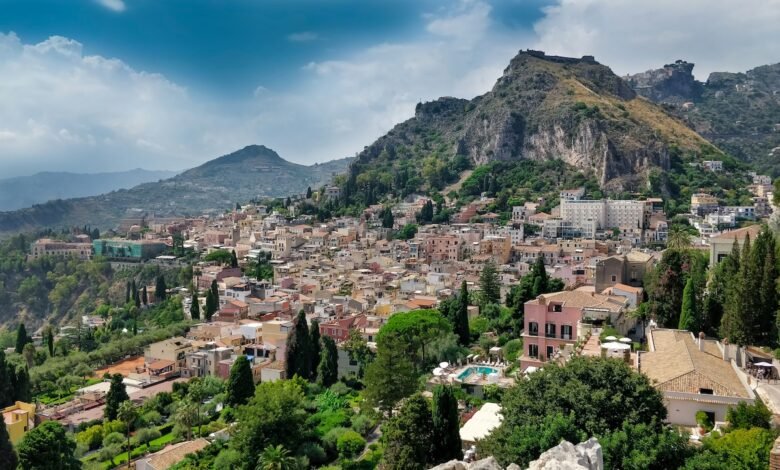
The global elite’s interest in the island has sparked a redefinition of its most iconic destinations. While Taormina remains the historic “grande dame” of Sicilian tourism, the focus of elite travel has shifted toward the southeast and the rugged western shores. This movement is driven by a desire to escape the “lobby culture” of traditional hospitality in favor of environments that offer total autonomy and a deep, unmediated connection to the landscape.
Beyond Taormina: The New Geographies of Exclusivity
The Val di Noto, a UNESCO-listed jewel in the southeast, has become the center of a refined cultural renaissance. Towns like Noto, Modica, and Scicli are no longer just stops on a tour; they are hubs for a new generation of designers, artists, and entrepreneurs who have restored noble palazzos and turned them into minimalist havens. This area attracts those who value the “human scale” of travel—where an afternoon can be spent discussing ancient grains with a local miller or exploring the pristine dunes of the Vendicari Nature Reserve.
Similarly, the Egadi Islands—Favignana, Levanzo, and Marettimo—have emerged as the ultimate retreats for those seeking maritime seclusion. Away from the crowded harbors of the mainland, these islands offer a lifestyle stripped back to the essentials: crystal-clear waters, ancient tuna fisheries (tonnare) converted into cultural spaces, and a pace of life that respects the siesta as much as the sunset. In 2026, the elite traveler is not looking for a place to be seen, but for a place to disappear.
The Rise of Residential Immersion
This shift toward the “secret” side of the island has fundamentally changed how accommodation is perceived. The modern high-net-worth individual is moving away from the predictable excellence of five-star hotel chains, seeking instead what sociologists call “residential immersion.” The goal is to live as a temporary resident of a storied location, occupying a home that acts as a cultural observatory.
Privacy has become the ultimate currency in this segment. Discerning visitors are increasingly prioritizing properties that offer natural barriers to the outside world—gated estates, private access to the shore, and sprawling gardens that provide a sense of personal territory. For many who seek to harmonize this need for seclusion with the therapeutic power of the ocean, contacting specialist agencies such as Sopranovillas to rent seafront villas in Sicily has become the primary strategy for a truly restorative stay. By securing a private residence through specialized boutique curators, travelers can enjoy the island’s dramatic coastline without the friction of shared spaces. This approach allows for a level of hyper-personalization, from in-villa wellness retreats to private archaeological tours, ensuring that the travel experience is a bespoke narrative rather than a standardized product.
Sensory Heritage: Gastronomy and the Connection to the Land
In Sicily, the kitchen remains the heart of the home, and for the modern elite traveler, culinary exploration is the primary gateway to understanding the island’s soul. The new standard of luxury dining is no longer about white tablecloths and formal service; it is about the authenticity of the “terroir.” Private estates now frequently offer immersive gastronomic experiences that link the guest directly to the artisanal producers of the region.
This “farm-to-terrace” philosophy is what defines the high-end Sicilian lifestyle in 2026. Travelers are seeking out private chefs who act as culinary guides, sourcing red prawns from the deep waters of Mazara del Vallo or citrus from the estate’s own groves. These interactions provide a tangible connection to the territory, ensuring that the stay supports the local ecosystem and preserves the island’s incredible biodiversity. The satisfaction of tasting an olive oil produced from trees that have stood for five centuries, within the very grove they grew in, provides a level of emotional depth that traditional luxury cannot match.
Conclusion: Sicily as the Vanguard of Discreet Tourism
As we look toward the future of travel in the Mediterranean, Sicily stands as a testament to the enduring power of authenticity. The island has managed to adapt to the demands of elite tourism without losing its rugged, independent spirit. By prioritizing heritage, privacy, and local immersion, Sicily has become a sanctuary for those who believe that the most meaningful journeys are the ones that allow us to truly arrive.
In conclusion, the exclusive corners of Sicily are being redefined by a move toward intentionality. Travelers are reclaiming the true essence of the Mediterranean by choosing environments that respect their need for silence. Whether it is a noble manor in the interior or a contemporary villa overlooking the Ionian Sea, the ultimate luxury remains the quiet, undisturbed beauty of a Sicilian home—a place where the world feels, for a moment, entirely one’s own.
Frequently Asked Questions (FAQ)
What is the best time of year for an exclusive retreat in Sicily?
While the summer months are the most popular, the “shoulder seasons” of May-June and September-October offer the most authentic experience. The light is softer, the temperatures are ideal for exploring archaeological sites, and the island reacquires its natural, unhurried rhythm away from the peak tourist flows.
Are private villas in Sicily suitable for long-term remote work?
Absolutely. One of the strongest trends in 2026 is the extended “workation.” Most premium villas are now equipped with enterprise-grade satellite internet and dedicated office spaces, allowing executives and creative professionals to maintain their global careers from a terrace overlooking the Mediterranean.
How is the security of high-profile guests managed in private Sicilian estates?
Elite agencies implement multiple layers of security. This includes rigorous background checks for all on-site staff, the use of secure communication channels for booking details, and the selection of properties with natural or architectural barriers. For those with specific requirements, low-profile private security can be arranged to ensure a safe and undisturbed holiday.
Get more updates or Stories on Next Magazine