
Liberty High School Gas Evacuation: Timeline, Causes, and Safety Response Explained

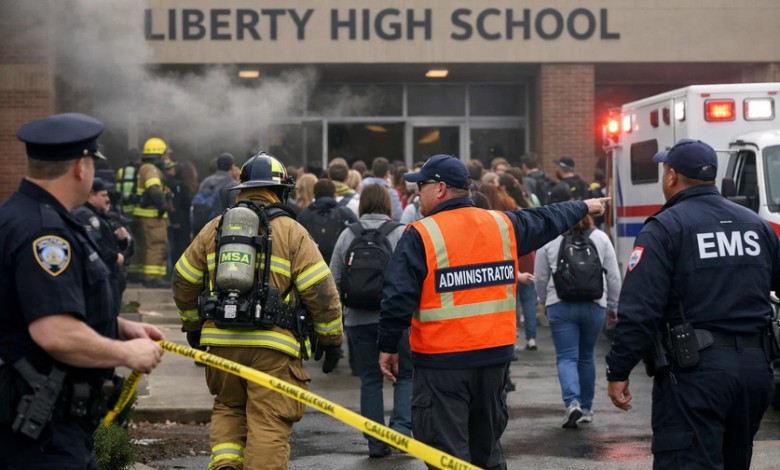
On what began as a routine school morning, an unexpected gas leak turned Liberty High School into the center of a fast-moving emergency response. Within minutes, hallways that once echoed with classroom chatter filled with urgency as administrators initiated evacuation procedures. The Liberty High School gas evacuation quickly became a powerful example of preparedness, swift leadership, and community coordination.
Although no major injuries were reported, the incident left a lasting impression on students, parents, and district officials. It reinforced the importance of infrastructure maintenance, emergency drills, and rapid communication systems in educational settings. This article provides a comprehensive look at what happened, why it occurred, and how schools can prevent similar emergencies in the future.
Understanding the Liberty High School Gas Evacuation
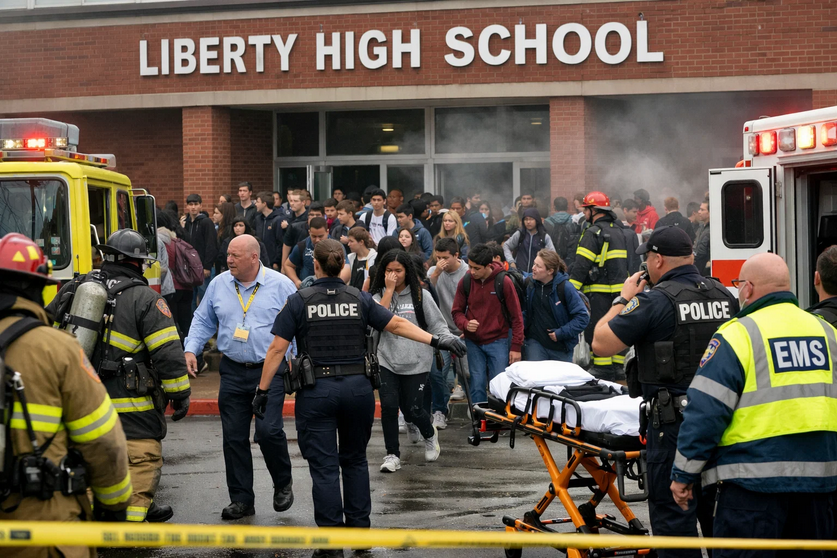
The Liberty High School gas evacuation unfolded after reports of an unusual odor spread through part of the campus. Students and teachers in the science wing noticed a strong smell resembling propane, accompanied by mild symptoms such as dizziness and nausea. Recognizing the potential seriousness of the situation, school staff acted immediately.
The principal ordered a full building evacuation, activating alarms and directing everyone to designated assembly areas. Firefighters and paramedics were dispatched within minutes. While the situation was ultimately contained, it highlighted how quickly a routine school day can turn into an emergency requiring decisive leadership and community-wide coordination.
This incident also raised broader concerns about aging infrastructure in schools, particularly gas lines and heating systems that may require more frequent inspections and modernization.
Timeline of Events
The emergency developed rapidly, with actions taken in quick succession to ensure student and staff safety. Below is a structured overview of how the situation progressed:
- Around 10:00 AM: Students in the science wing reported a strong gas-like odor and mild discomfort.
- 10:15 AM: The principal initiated full evacuation protocols, and fire alarms sounded throughout the campus.
- 10:30 AM: Firefighters, paramedics, and local police arrived to assess air quality and secure the area.
- Shortly before Noon: Technicians identified a ruptured gas line near the lab area as the likely source.
- Early Afternoon: All 630 students and staff members were safely relocated to a nearby middle school cafeteria.
- Evening: Authorities issued the all-clear after repairs and air-quality verification.
The efficiency of this timeline demonstrated how regular safety drills and coordinated response planning can minimize risk during potentially dangerous situations.
What Caused the Gas Leak?
Investigators later confirmed that the evacuation was triggered by a ruptured propane line. Preliminary findings suggested that nearby construction activity, possibly connected to infrastructure upgrades or solar panel installation, may have disturbed underground lines.
Several contributing factors were examined:
- Aging gas infrastructure within the school property
- Possible pressure buildup within the heating system
- Proximity of construction equipment to utility lines
- Maintenance routines that may not have fully accounted for underground vulnerabilities
While no evidence pointed to intentional wrongdoing, the incident underscored the importance of conducting detailed utility mapping and inspections before beginning any construction near school campuses.
Experts note that gas leaks in schools often result from corrosion, accidental excavation damage, or mechanical failure. In this case, the quick detection of the odor likely prevented more serious consequences.
Emergency Response and Coordinated Efforts
The response to the Liberty High School gas evacuation demonstrated the effectiveness of training and collaboration between school officials and emergency services.
Firefighters used specialized gas-detection equipment to monitor air quality levels and ventilate the affected areas. Paramedics evaluated over 600 individuals, focusing especially on those reporting symptoms such as dizziness or headaches. Fortunately, most cases were mild and resolved quickly after exposure to fresh air.
Key components of the response included:
- Immediate activation of evacuation alarms
- Pre-established assembly points (including the football field)
- Text message alerts to parents
- A designated parent hotline for updates
- Traffic management by local police
Teachers played a crucial role by maintaining calm and guiding students safely outside. Their training and composure helped prevent panic and ensured that every individual was accounted for during headcounts.
Student and Staff Experiences
For many students, the event began with confusion. Some initially assumed it was a routine drill. However, the noticeable odor and physical symptoms quickly signaled that the situation was real.
Teachers reassured younger students while escorting them to safe zones. Administrators coordinated logistics, ensuring that everyone had water and access to shelter once relocated. Though anxiety was high in the early moments, relief spread once emergency crews confirmed that the gas concentration levels were not dangerously elevated.
One student later described the experience as “a real-world lesson in why drills matter.” The next school day resumed with additional safety briefings and open discussions, helping students process the event constructively.
Health Impacts and Medical Assessment
Fortunately, the evacuation resulted in no hospitalizations. About a dozen individuals reported temporary symptoms such as nausea, dizziness, or mild headaches. These effects subsided quickly once students and staff were outdoors.
Medical teams prioritized individuals with pre-existing respiratory conditions, including asthma. Follow-up monitoring indicated no lasting health complications. Air-quality testing revealed that propane levels, while detectable, did not reach life-threatening concentrations.
Health professionals emphasized that while propane exposure can cause discomfort, serious outcomes typically occur only in confined spaces with prolonged exposure. The swift evacuation significantly reduced potential health risks.
School District Actions After the Incident
Following the Liberty High School gas evacuation, the district implemented immediate and long-term corrective measures. Classes were suspended temporarily to allow comprehensive inspections of all gas lines and heating systems.
Key actions taken by the district included:
- Conducting third-party infrastructure audits
- Increasing the frequency of maintenance checks
- Installing advanced gas-detection sensors
- Reviewing contractor safety protocols
- Enhancing emergency communication systems
The district also hosted community meetings to address parental concerns. Transparency became a priority, with officials outlining exactly what occurred and how future risks would be minimized.
Lessons Learned from the Incident
This event provided several critical lessons not only for Liberty High School but for educational institutions nationwide.
Important takeaways include:
- Routine inspections are essential to prevent infrastructure failures.
- Emergency drills save valuable time during real events.
- Clear communication reduces panic among parents and students.
- Construction coordination is critical when working near utility lines.
- Investment in safety technology strengthens long-term resilience.
Across the United States, many school buildings are decades old. This incident served as a reminder that modernization efforts must prioritize safety systems alongside educational improvements.
Preventive Measures for Schools
To reduce the likelihood of future gas-related emergencies, schools can adopt a multi-layered prevention strategy.
Recommended safety measures include:
- Installing carbon monoxide and gas detection devices in high-risk areas
- Conducting annual professional inspections of all utility systems
- Mapping underground utility lines before construction begins
- Training staff to recognize early signs of gas exposure
- Updating emergency relocation plans with secondary safe sites
By combining technology with regular training, schools create overlapping layers of protection that significantly reduce risk.
Community Reaction and Support
The evacuation brought the community together in a powerful display of solidarity. Parents expressed gratitude for the quick response of teachers and emergency personnel. Social media platforms were filled with supportive messages for first responders.
Counselors made themselves available to students who experienced anxiety during the event. Some local organizations offered assistance to support infrastructure upgrades. The shared experience ultimately strengthened trust between families and school leadership.
Long-Term Infrastructure Improvements
In the months following the incident, Liberty High School committed to significant infrastructure upgrades. Reinforced gas lines, automated shut-off valves, and real-time monitoring systems were installed.
The district allocated approximately $500,000 toward safety improvements across campuses. New monitoring dashboards now provide administrators with immediate alerts if irregularities are detected in gas pressure or air quality levels.
These improvements not only address vulnerabilities but also set a proactive example for other schools facing similar aging infrastructure challenges.
Comparing Similar School Gas Incidents
Gas leaks in educational settings are not entirely uncommon, particularly when construction intersects with older utility systems. In recent years, several schools nationwide have experienced partial evacuations due to kitchen leaks or construction-related line damage.
A common pattern emerges:
- Construction activity increases risk if underground mapping is incomplete
- Rapid reporting of unusual odors prevents escalation
- Schools with regular drills respond more efficiently
- Early intervention dramatically reduces health impacts
By examining these similarities, districts can refine their preparedness strategies and reduce potential hazards.
Legal and Regulatory Considerations
Local safety codes and federal guidelines require schools to maintain functional leak detection systems and conduct regular inspections. Compliance not only protects students but also reduces legal liability.
In this case, investigations focused on contractor practices and infrastructure maintenance. Officials found no evidence of negligence by school administrators. Instead, emphasis shifted toward improving preventive coordination with external contractors.
Insurance providers often offer incentives to schools that implement advanced safety monitoring systems, reinforcing the value of proactive investment.
Preparing Your School for Gas Emergencies
Parents, educators, and administrators can all contribute to stronger preparedness.
Here are practical steps communities can take:
- Review your school’s emergency response plan
- Attend safety information sessions
- Encourage investment in infrastructure maintenance
- Develop a family reunion plan for off-campus emergencies
- Advocate for transparent communication systems
Preparedness is most effective when it involves collaboration between families, school officials, and local emergency responders.
Conclusion
The Liberty High School gas evacuation stands as a compelling example of how swift action, preparedness, and community cooperation can transform a potentially dangerous situation into a successful safety response. While the gas leak caused understandable concern, the absence of serious injuries demonstrates the value of emergency drills, strong leadership, and rapid coordination with first responders.
More importantly, the incident sparked meaningful improvements in infrastructure and communication systems. By learning from this event, schools everywhere can strengthen their safety frameworks and ensure that student well-being remains the highest priority.
Safety in schools is not a one-time effort but an ongoing commitment. Through vigilance, modernization, and community engagement, educational institutions can create secure environments where students thrive without fear.
Frequently Asked Questions (FAQs)
1. What caused the Liberty High School gas evacuation?
The evacuation was triggered by a ruptured propane line, possibly affected by nearby construction activity.
2. Were there any injuries reported?
No serious injuries occurred. A small number of students and staff experienced mild symptoms such as dizziness and nausea.
3. How many people were evacuated?
Approximately 630 students and staff members were safely evacuated and accounted for.
4. How long did the evacuation last?
The evacuation began around 10:00 AM and continued until early afternoon, with clearance given later that evening.
5. What improvements were made after the incident?
The district implemented enhanced maintenance checks, installed advanced gas detection sensors, and upgraded infrastructure systems.
6. How can schools prevent similar emergencies?
Routine inspections, modern detection technology, coordinated construction planning, and regular drills are essential preventive measures.
Get more updates or Stories on Next Magazine