James Moreland: The Untamed Life and Punk Legacy of “Falling James” Moreland

In the chaotic, sweat-soaked clubs of 1980s Los Angeles, few performers commanded attention like James Moreland, better known as “Falling James” Moreland. A fearless frontman, gender-bending trailblazer, and underground punk visionary, he built a cult legacy through his band The Leaving Trains and a life lived unapologetically on his own terms. From explosive live performances to a whirlwind marriage with Courtney Love, his story is one of rebellion, artistry, and cultural impact that continues to resonate in alternative music circles.
| Field | Details |
|---|---|
| Full Name | James Moreland |
| Stage Name | “Falling James” Moreland |
| Profession | Singer, Songwriter, Punk Rock Musician, Journalist |
| Known For | Frontman of The Leaving Trains; Gender-bending stage persona; Marriage to Courtney Love |
| Music Genre | Punk Rock, Indie Rock, Post-Punk |
| Active Years (Music) | 1980 – 2001 |
| Associated Acts | The Leaving Trains, The Mongrels, The Downers, The Power of Sky |
| Record Labels | SST Records, Bemisbrain/Enigma Records, Steel Cage |
| Debut Album | Well Down Blue Highway (1984) |
| Notable Albums | Kill Tunes (1986), Fuck (1987), Transportational D. Vices (1988), The Lump in My Forehead (1993), Emotional Legs (2001) |
| Famous Nickname Origin | Earned “Falling James” for chaotic, tumbling stage performances |
| Gender Identity | Transgender woman (publicly came out in the 1990s) |
| Spouse (Former) | Courtney Love (m. July 23, 1989 – annulled 1989) |
| Notable Production Work | Produced Hole’s early single “Retard Girl” (1990) |
| Journalism Career | Contributor to L.A. Weekly (until 2020) |
| Cultural Impact | Pioneer of gender expression in punk; Cult icon in 1980s Los Angeles indie scene |
| Current Status | Retired from active music performance |
Early Life and Punk Foundations
Long before he became a fixture of the Los Angeles underground scene, James Moreland was absorbing the raw spirit of American punk rock. Growing up during the late 1970s, he gravitated toward the aggressive, do-it-yourself ethos that defined the genre. Punk was not merely music for him—it was a vehicle for identity, protest, and theatrical self-expression.
In the early days of his career, he performed with local outfits such as the Mongrels and the Downers. These formative experiences allowed him to sharpen his snarling vocal delivery and cultivate the unpredictable stage presence that would later define him. Even then, audiences recognized his magnetic charisma and willingness to push boundaries both musically and visually.
The Los Angeles punk scene at the time was a breeding ground for experimentation. Bands like Black Flag, X, and The Germs were reshaping American rock. Moreland emerged from this environment with a fierce individuality, blending aggression with glam-inspired theatrics that foreshadowed his later persona.
The Birth of The Leaving Trains
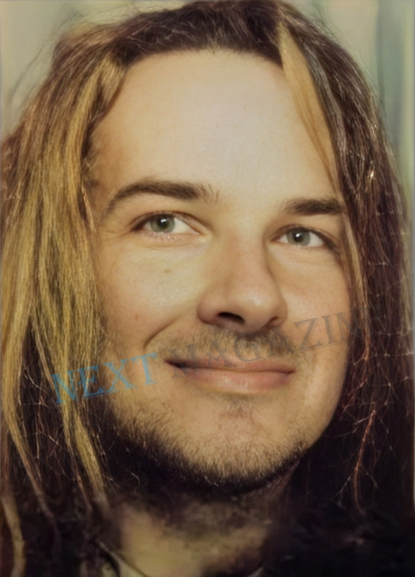
In 1980, Moreland founded The Leaving Trains, the band that would cement his reputation in indie rock history. He assembled an initial lineup featuring Manfred Hofer (guitar), Tom Hofer (bass), Sylvia Juncosa (keyboards), and Hillary Laddin (drums). From the outset, the group was relentless, performing across Los Angeles and building a reputation for chaotic, high-energy shows.
Their performances were unpredictable spectacles. Moreland, often clad in dresses, heels, and heavy makeup, would tumble across the stage, earning the nickname “Falling James.” His stage persona drew comparisons to Iggy Pop and David Bowie, yet remained distinctly his own.
After years of grinding it out in local venues, the band released their debut album, Well Down Blue Highway (1984) on Bemisbrain/Enigma Records. The record captured their raw punk urgency and marked the beginning of a prolific recording career.
Key Early Albums
- Well Down Blue Highway (1984) – A gritty debut showcasing raw energy
- Kill Tunes (1986) – Released on SST Records, amplifying their cult following
- Fuck (1987) – Bold, defiant, and emblematic of their rebellious ethos
The move to SST Records, home to influential acts like Black Flag and Minutemen, expanded their reach. Moreland’s voice—equal parts sneer and confession—became synonymous with the band’s sound.
Musical Evolution and Creative Peak
The late 1980s marked a creative high point for James Moreland and The Leaving Trains. Albums such as Transportational D. Vices (1988) demonstrated a willingness to experiment with psychedelic textures while maintaining punk aggression. Their music evolved without losing its immediacy.
Tours during this era packed clubs from Hollywood to regional circuits. Audiences came for the music but stayed for the spectacle. Moreland’s performances blended humor, rage, vulnerability, and shock value in equal measure.
The band’s lineup shifted frequently, contributing to its volatile energy. After the early departures of the Hofer brothers, musicians such as Mike Barnett and Eric Stringer joined the fold. These changes kept the sound fresh but also reflected the instability common in underground scenes.
In 1991, Moreland briefly paused to pursue a side project, The Power of Sky, but soon revived The Leaving Trains with a new configuration. Their 1993 album, The Lump in My Forehead, showcased emotional depth and lyrical introspection.
Later releases included:
- Smoke Follows Beauty (1997)
- Emotional Legs (2001) – The band’s final studio album
Across more than a decade, the group produced over ten releases, including EPs and compilations such as Favorite Mood Swings (1998) and Amplified Pillows (2005). These recordings preserved the chaotic brilliance that defined their live shows.
Marriage to Courtney Love
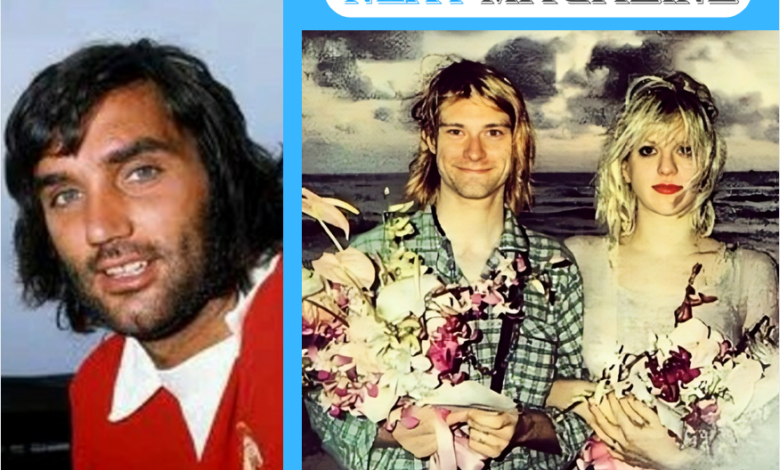
In one of rock history’s more unusual footnotes, James Moreland married Courtney Love in Las Vegas on July 23, 1989. What reportedly began as a drunken dare quickly escalated into a brief and tumultuous union. The marriage lasted only a few months and was later annulled.
Despite its brevity, the relationship placed Moreland in the broader narrative of the emerging grunge movement. He produced Hole’s early single, “Retard Girl” (1990), bridging his punk background with Love’s rising career.
Both parties later described the marriage as chaotic and ill-fated. Yet this episode added another layer to Moreland’s already unpredictable public persona, intertwining his legacy with the alternative rock explosion of the early 1990s.
Gender Expression and Cultural Impact
Perhaps one of the most significant aspects of James Moreland’s legacy is his bold approach to gender expression. Long before mainstream conversations around gender fluidity, he was challenging norms within the hyper-masculine punk scene.
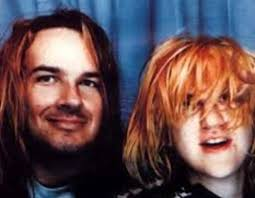
On stage, he frequently appeared in drag—dresses, heels, heavy makeup—turning concerts into acts of performance art. This was not merely for shock value; it reflected a deeper exploration of identity. By the 1990s, Moreland came out as a transgender woman, maintaining the name James while embracing fluidity in presentation and identity.
His visibility during a time of limited acceptance was groundbreaking. In many ways, he paved the way for future queer and transgender artists in punk and alternative rock.
Defining Elements of His Persona
- Gender-bending fashion and theatrical makeup
- Fearless, physically intense stage performances
- Lyrics exploring alienation, addiction, and self-examination
- Rejection of traditional punk masculinity
His courage influenced later artists and expanded the possibilities of self-expression within underground music communities.
Challenges and Personal Struggles
Like many artists in the 1980s punk scene, Moreland faced personal struggles. Themes of addiction and alienation appeared frequently in his lyrics. The band also endured tragedy, including the death of bassist Chaz Ramirez in 1992, a loss that deeply affected the group.
Frequent lineup changes, shifting record labels, and the evolving music landscape of the 1990s posed additional challenges. As grunge overtook punk in mainstream attention, many underground acts struggled for visibility.
Yet Moreland’s resilience stood out. He adapted, reconfigured the band, and continued recording. His persistence reflected the DIY spirit at the heart of punk culture.
Later Years and Journalism Career
After the release of Emotional Legs (2001), The Leaving Trains gradually wound down. A brief reunion in 2005 reunited original members for select performances, but no significant new music followed.
In later years, Moreland transitioned into journalism, contributing to L.A. Weekly until 2020. His writing provided insights into the punk scene he helped shape, offering commentary informed by firsthand experience.
Reports indicate that he eventually stepped away from public performance life, possibly residing in Michigan. While he no longer tours or records, his legacy continues through reissues, fan communities, and online retrospectives.
Legacy in Indie and Punk Rock
James Moreland remains a cult icon within indie and punk circles. Though never a mainstream superstar, his influence reverberates through underground music history.
Critics often compared The Leaving Trains to The Replacements, citing their unpredictable live shows and emotionally charged songwriting. His work with SST Records placed him among the era’s most influential independent artists.
Beyond music, his gender expression helped expand conversations about identity in rock culture. Artists who embrace fluid presentation and theatricality owe a subtle debt to pioneers like him.
Key aspects of his legacy include:
- Over two decades of independent music output
- Groundbreaking gender visibility in punk
- Association with pivotal figures like Courtney Love
- A fiercely loyal cult following
Today, collectors and music historians revisit his discography as a testament to raw, unfiltered creativity.
Conclusion
James Moreland’s life reads like a punk rock manifesto—loud, defiant, unpredictable, and deeply human. From founding The Leaving Trains in 1980 to challenging gender norms onstage and navigating a brief marriage to Courtney Love, he lived at the intersection of art and rebellion.
Though he stepped away from performing, his influence endures in indie rock history. His music remains a time capsule of 1980s Los Angeles punk: gritty, urgent, and unapologetically authentic. For those who value underground artistry and fearless self-expression, his story continues to inspire.
Frequently Asked Questions
1. Who is James Moreland?
James Moreland, also known as “Falling James,” is a punk rock singer-songwriter best known as the founder and frontman of The Leaving Trains.
2. Was he really married to Courtney Love?
Yes. He married Courtney Love in Las Vegas on July 23, 1989, but the marriage was annulled within months.
3. What band made him famous?
He gained recognition through The Leaving Trains, an influential Los Angeles indie punk band formed in 1980.
4. Is James Moreland transgender?
Yes. By the 1990s, he publicly identified as a transgender woman while continuing to use the name James.
5. How many albums did The Leaving Trains release?
The band released over ten albums and EPs between 1984 and 2001, along with later compilations.
6. Is he still active in music?
No. He retired from performing in the early 2000s and later worked as a journalist.
7. What is his cultural significance?
He is recognized for pioneering gender expression in punk rock and for his enduring contributions to the 1980s Los Angeles indie scene.
Get more updates or Stories on Next Magazine