

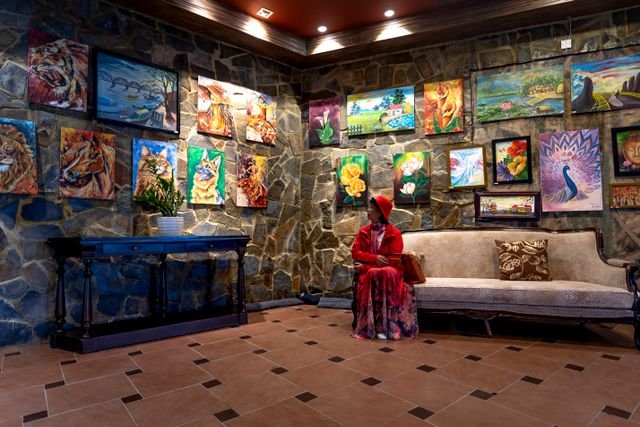
A living space serves many purposes beyond providing shelter. It is where people relax after busy days, gather with family and friends, work on personal projects, and create lasting memories. Because so much time is spent at home, the design and atmosphere of a space can have a meaningful impact on comfort, functionality, and overall well-being.
Improving a home does not necessarily require a complete remodel or significant financial investment. Often, thoughtful changes can make a noticeable difference in how a room feels and functions. By focusing on elements such as organization, lighting, personal style, and furniture arrangement, homeowners and renters alike can create an environment that feels more inviting and practical. The following four tips offer approachable ways to elevate a living space while maintaining a balanced and authentic design.
Focus on Thoughtful Organization
One of the most effective ways to improve any room is to reduce unnecessary clutter and create a sense of order. Even beautifully designed spaces can feel overwhelming when surfaces are crowded, or storage areas are overflowing. Organization helps highlight a room’s best features while making daily routines more efficient.
A good starting point is to evaluate belongings and determine which items are truly needed or regularly used. Removing unnecessary objects can free up valuable space and create a cleaner visual appearance. Storage solutions such as shelves, cabinets, baskets, and multi-functional furniture can help keep essential items accessible without contributing to clutter.
Organization does not mean creating a space that feels sterile or empty. Personal belongings, books, decorative items, and meaningful keepsakes can still play an important role in a room’s character. The goal is to display these items intentionally rather than allowing them to accumulate randomly throughout the home.
Maintaining organization over time often becomes easier when every item has a designated place. Small habits, such as putting items away after use and periodically reviewing storage areas, can help preserve a tidy and inviting environment.
Improve Lighting for Comfort and Atmosphere
Lighting has a significant influence on the appearance and mood of a living space. A room’s colors, textures, and furnishings may look entirely different depending on how light is introduced and distributed throughout the area.
Natural light is often one of the most valuable design assets. Maximizing daylight by keeping windows unobstructed, using light window treatments, or strategically placing mirrors can make rooms feel larger and more welcoming. Natural illumination can also help create a stronger connection to the outdoors.
Artificial lighting deserves equal attention. Instead of relying solely on a single overhead fixture, many interior designers recommend layering multiple light sources. Floor lamps, table lamps, wall fixtures, and accent lighting can create flexibility while supporting various activities.
Warm lighting often contributes to a comfortable atmosphere in living rooms and bedrooms, while brighter task lighting may be beneficial in kitchens, home offices, and reading areas. The right combination of lighting can add depth and dimension to a room while improving its functionality throughout the day.
By considering both natural and artificial light sources, homeowners can transform the overall feel of their living spaces without making major structural changes.
Incorporate Meaningful Art and Personal Touches
A well-designed home reflects the people who live there. Personal touches help transform a generic room into a space with character, warmth, and individuality. Art, photography, travel keepsakes, handcrafted items, and family heirlooms can all contribute to a more meaningful environment.
When selecting artwork, many people focus on choosing pieces that resonate with their personal interests rather than following temporary trends. Art can introduce color, texture, and visual interest while also serving as a conversation piece. Whether displayed as a large focal point or as part of a gallery wall, thoughtfully selected artwork can influence the overall tone of a room.
Some individuals may appreciate exploring collections of distinguished fine art for sale when searching for pieces that align with their design preferences and personal tastes. The most important factor is choosing artwork that feels authentic to the homeowner rather than selecting pieces solely because they are fashionable.
Personal elements can also appear in subtle ways. Displaying favorite books, incorporating meaningful photographs, or highlighting handcrafted objects can create a sense of familiarity and comfort. These details often make a home feel lived-in and genuine while helping visitors understand the personalities of those who occupy the space.
Choose Furniture with Both Function and Balance in Mind
Furniture plays a central role in determining how comfortable and usable a living space will be. While style is important, functionality should remain a key consideration when selecting pieces for any room.
Before purchasing furniture, it is helpful to evaluate how the space is actually used. A household that frequently entertains guests may have different needs than one that prioritizes quiet relaxation or remote work. Understanding daily activities can guide more practical furniture choices.
Scale and proportion are also important. Oversized furniture can make small rooms feel cramped, while pieces that are too small may leave larger spaces feeling incomplete. Measuring carefully and considering traffic flow can help prevent common layout challenges.
Multi-functional furniture can be particularly useful in apartments and smaller homes. Storage ottomans, expandable dining tables, and convertible seating options can maximize utility without sacrificing style. These solutions support both efficiency and comfort while helping residents make the most available space.
Thoughtfully selected furniture creates visual balance and supports the way people interact with their environment on a daily basis.
Use Color and Texture to Add Depth
Color and texture can dramatically influence the atmosphere of a living space. Even simple adjustments can create a greater sense of visual interest while maintaining a cohesive design.
Neutral color palettes remain popular because they offer versatility and adaptability. However, incorporating accent colors through pillows, rugs, artwork, or decorative accessories can add personality and variety. Small color changes often provide flexibility without requiring major commitments.
Texture is equally important in creating a comfortable environment. Soft fabrics, natural wood finishes, woven materials, stone surfaces, and layered textiles can make a room feel more dynamic and inviting. Combining different textures encourages visual contrast and helps prevent spaces from feeling flat or one-dimensional.
Seasonal changes can also be introduced through texture and accessories. Lightweight fabrics may be appropriate during warmer months, while heavier textiles can create warmth during cooler seasons. These adjustments allow homeowners to refresh a room’s appearance without undertaking extensive redesign projects.
A thoughtful combination of color and texture contributes to a balanced atmosphere that feels both polished and comfortable.
Conclusion
Elevating a living space does not require dramatic renovations or expensive changes. By focusing on organization, improving lighting, incorporating meaningful personal elements, selecting functional furniture, and using color and texture effectively, individuals can create environments that better support their daily lives.
The most successful living spaces are often those that balance practicality with personal expression. When design decisions reflect how people actually live and what they value most, a home can become more comfortable, welcoming, and enjoyable for years to come.
Looking for simple ways to improve your home? Read these 4 tips to elevate your living space.