

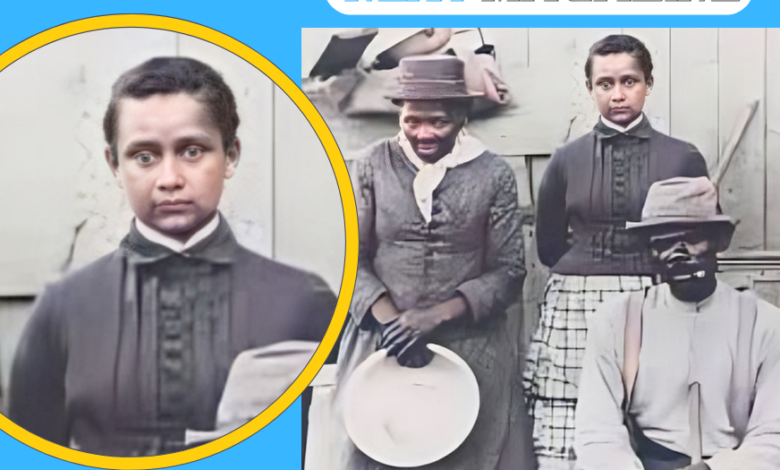
History remembers Harriet Tubman as a fearless abolitionist, Underground Railroad conductor, and humanitarian. Yet behind her public heroism stood a quieter story of family, love, and resilience. At the center of that story was Gertie Davis, the adopted daughter who grew up on Tubman’s Auburn farm in the aftermath of slavery. Though historical records about her are limited, her life offers a powerful glimpse into the personal world of one of America’s greatest freedom fighters.
Raised in a household shaped by courage and sacrifice, Gertie Davis represents a lesser-known but deeply meaningful chapter in Tubman’s life. Her story is not defined by public speeches or daring rescue missions, but by the quiet strength of family bonds formed in freedom’s fragile years.
| Field | Details |
|---|---|
| Full Name | Gertie Davis |
| Known For | Adopted daughter of Harriet Tubman |
| Birth Year | Circa 1874–1876 |
| Birthplace | New York, United States |
| Adoptive Mother | Harriet Tubman (Abolitionist & Underground Railroad conductor) |
| Adoptive Father | Nelson Davis (Civil War veteran) |
| Adoption Year | Circa 1874–1876 |
| Documented Record | Listed as adopted daughter in the 1880 U.S. Census (Age 4) |
| Childhood Residence | 182 South Street, Auburn, New York |
| Family Home Significance | Tubman’s 7-acre farm and later site of the Harriet Tubman Home for the Aged |
| Major Childhood Events | 1880 farmhouse fire; Death of Nelson Davis (1888) |
| Mother’s Death | March 10, 1913 (Harriet Tubman) |
| Marital Status | No verified marriage records |
| Children | No verified records |
| Later Life | Likely remained in Auburn, New York (details undocumented) |
| Historical Significance | Symbol of Harriet Tubman’s personal family life and legacy |
| Primary Historical Source | 1880 United States Census |
Early Life of Gertie Davis
Gertie Davis was born around 1874–1876 in New York, according to available historical records. The most concrete documentation appears in the 1880 United States Census, which lists her as a four-year-old “adopted daughter” living with Harriet Tubman and Nelson Davis in Auburn, New York. This census entry provides the clearest confirmation of her early existence and status within the household.
The circumstances surrounding her birth and adoption remain unclear. No verified birth certificate or detailed adoption records have surfaced. Historians generally believe she was an infant or toddler when Tubman and her husband welcomed her into their home during the 1870s. Tubman, already in her 50s at the time, extended the same compassion she showed fugitives to this young child.
Growing up on Tubman’s property meant being surrounded by stories of resistance, sacrifice, and survival. Gertie Davis’s earliest memories were likely shaped by a home that served not only as a residence but also as a sanctuary for the elderly, the poor, and formerly enslaved individuals seeking refuge.
The Auburn Farm: A Home Built on Freedom
The Auburn farm at 182 South Street, Auburn, New York, was purchased by Harriet Tubman in 1859 from Senator William H. Seward, a prominent abolitionist. The seven-acre property became more than farmland; it functioned as a safe haven for those in need. After the Civil War, Tubman dedicated much of her life to caring for elderly and vulnerable African Americans there.
For Gertie Davis, this farm was both playground and classroom. She grew up observing her adoptive mother’s tireless service to the community. Visitors, boarders, and Civil War veterans frequently came and went, exposing her to diverse experiences and perspectives. The environment was steeped in values of resilience, faith, and generosity.
Key milestones that shaped her early life include:
- 1849 – Harriet Tubman escaped slavery in Maryland
- 1859 – Purchase of the Auburn farm
- 1869 – Marriage of Harriet Tubman and Nelson Davis
- Circa 1874–1876 – Adoption of Gertie Davis
- 1880 – Census documentation confirming her residence
These milestones reveal how deeply intertwined her childhood was with a broader historical narrative.
Harriet Tubman and Nelson Davis as Parents
When Harriet Tubman married Nelson Davis on March 18, 1869, she found companionship after decades of hardship. Nelson, a Civil War veteran who had suffered from tuberculosis, boarded at Tubman’s home before their marriage. Together, they created a stable household that eventually included Gertie Davis.
Tubman’s first marriage to John Tubman in 1844 had ended in separation when she escaped slavery in 1849. That earlier union produced no surviving children. Therefore, adopting Gertie represented not only compassion but also fulfillment of a personal longing for motherhood.
Despite limited financial resources, Tubman and Nelson ensured their daughter was cared for in a loving, structured environment. Tubman, though illiterate due to being denied education under slavery, valued learning and moral guidance. Gertie Davis grew up surrounded by stories of bravery, including the famous Combahee River Raid of 1863, where Tubman helped free more than 700 enslaved people.
Trials and Hardships on the Farm
Life on the Auburn farm was not without challenges. In 1880, a devastating fire destroyed the original wooden farmhouse. The blaze reportedly began when a boarder accidentally overturned a lantern. For a young Gertie Davis, who was approximately four to six years old at the time, this event would have been traumatic and transformative.
The Auburn community rallied to rebuild the home, constructing a sturdy two-story brick house that still stands today. This rebuilding effort demonstrated the respect and admiration neighbors held for Tubman. It also reinforced lessons of resilience and solidarity that shaped Gertie’s upbringing.
Financial hardship was another persistent challenge. Tubman struggled for years to secure a government pension for her Civil War service. Although she eventually received a modest amount, it was often insufficient. The family relied on speaking engagements, donations, and sewing to survive.
Loss and Widowhood
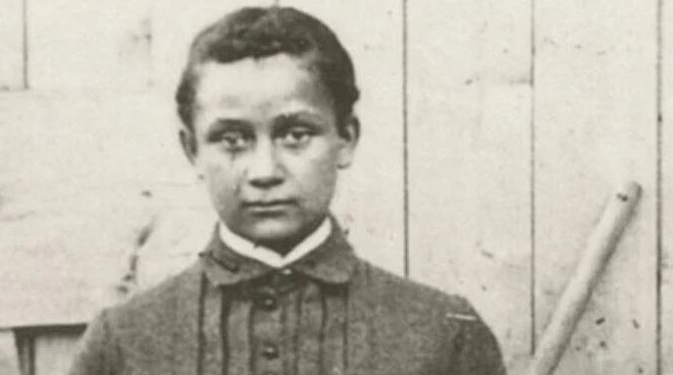
On October 14, 1888, Nelson Davis died from tuberculosis, leaving Harriet Tubman widowed once again. At the time, Gertie Davis was around 12 to 14 years old. A photograph from 1887 captures the family together shortly before his death, offering one of the few visual glimpses of her childhood.
Nelson’s passing marked a turning point. Tubman, then in her mid-60s, intensified her advocacy efforts, fighting for increased pension benefits and continuing her charitable work. Gertie remained at her mother’s side during this emotionally and financially difficult period.
This experience likely shaped her sense of responsibility and maturity. Living in a household marked by both historical significance and everyday hardship demanded strength beyond her years.
Harriet Tubman’s Later Years and Gertie’s Role
As Harriet Tubman aged, her health declined due to injuries sustained during slavery, including a severe head injury. Despite these challenges, she founded the Harriet Tubman Home for the Aged in Auburn, officially established in the 1890s. The home provided shelter and care for elderly African Americans who had nowhere else to go.
During these years, Gertie Davis transitioned from child to young adult. While detailed records of her involvement are scarce, it is reasonable to assume she assisted in managing household responsibilities and supporting her mother’s mission. Living on a property that served as both residence and charitable institution meant constant engagement in caregiving activities.
Harriet Tubman passed away on March 10, 1913, at approximately 91 years old. She was buried with military honors at Fort Hill Cemetery in Auburn. At the time of her mother’s death, Gertie Davis was likely in her late 30s.
Life After Harriet Tubman
After 1913, documentation regarding Gertie Davis becomes increasingly limited. Unlike her adoptive mother, she did not seek public attention. Available historical research suggests she may have continued living in Auburn, possibly maintaining or overseeing aspects of the family property.
There are no verified records confirming marriage or children. Census data beyond 1880 provides no definitive trace that can be conclusively attributed to her. Some unverified narratives speculate about her longevity into the mid-20th century, but these claims lack firm documentary evidence.
Possible post-1913 roles may have included:
- Overseeing property maintenance
- Assisting in preserving Tubman’s legacy
- Remaining involved in the local community
- Supporting early efforts to commemorate Tubman’s work
Her relative obscurity highlights the reality that not all significant historical lives are accompanied by extensive documentation.
The Historical Significance of Gertie Davis
Although Gertie Davis did not lead abolitionist missions or deliver public lectures, her significance lies in representing Tubman’s personal triumph over a system designed to destroy family bonds. Slavery systematically separated parents from children. By adopting and raising Gertie, Tubman reclaimed that lost possibility of motherhood.
Her story also underscores the importance of chosen family within Black communities during Reconstruction and beyond. Adoption in this context symbolized continuity, healing, and hope after generations of forced separation.
Furthermore, Gertie Davis serves as a reminder of how history often overlooks women who lived in the shadows of prominent figures. Recovering her narrative enriches our understanding of Tubman not only as a hero but as a mother and caregiver.
Cultural Memory and Modern Recognition
Today, Harriet Tubman’s Auburn property is recognized as a historic site and national park. Visitors tour the home, learning about her activism and humanitarian efforts. While much of the focus centers on Tubman herself, the presence of Gertie Davis remains an integral part of the site’s history.
Modern historians continue to search archives for additional documentation about her life. Each census entry, photograph, and reference contributes to reconstructing her biography. In doing so, scholars acknowledge the value of everyday lives connected to extraordinary individuals.
Gertie Davis symbolizes continuity between generations. Through her, Tubman’s legacy extended beyond public achievements into the realm of family and domestic life.
Conclusion
Gertie Davis lived quietly within the powerful orbit of Harriet Tubman’s legacy. Adopted in the 1870s and raised on the Auburn farm, she grew up amid stories of escape, resilience, and freedom. Though historical documentation about her remains limited, the available records confirm her place as Tubman’s cherished daughter.
Her life reminds us that history is not only shaped by public heroes but also by the families who support them. By preserving and exploring her story, we gain a fuller understanding of Harriet Tubman’s humanity and the enduring strength of chosen family in the aftermath of slavery.
Frequently Asked Questions (FAQs)
1. Who was Gertie Davis?
Gertie Davis was the adopted daughter of Harriet Tubman and Nelson Davis, documented in the 1880 U.S. Census as living in Auburn, New York.
2. When was she born?
She was born around 1874–1876 in New York, according to census records.
3. How was she connected to Harriet Tubman?
She was adopted by Harriet Tubman and raised on Tubman’s Auburn farm during the late 19th century.
4. Did Gertie Davis marry or have children?
There are no verified historical records confirming that she married or had children.
5. Where did she grow up?
She grew up at 182 South Street in Auburn, New York, on Tubman’s seven-acre property.
6. What happened to her after 1913?
After Tubman’s death in 1913, documentation becomes scarce. She likely remained in Auburn, though verified details are limited.
7. Why is she historically significant?
She represents Harriet Tubman’s personal life as a mother and symbolizes the restoration of family bonds after slavery.
Get more updates or Stories on Next Magazine