

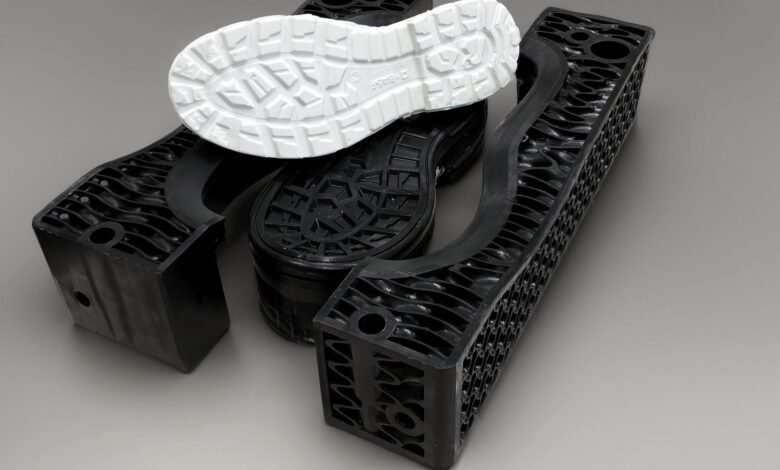
Technological advancements and material science are revolutionizing the footwear industry. The traditional footwear manufacturing processes have been governed by the methods of cutting, stitching, molding, and assembling for a long time. In addition to these techniques, newer innovative technologies such as 3D printing and cutting-edge materials are reshaping the future of shoe design, production, and even personalization.
High-performance athletic shoes, hiking boots, luxury fashion, medical footwear, or a number of combinations are introducing these innovations to enhance comfort, cut down on waste production, speed up time to market of new products, or simply ensure that consumer demand is better catered to. The future of sustainability and personalization in footwear construction looks bright for 3D printing technology and innovative materials.
The Evolution of Footwear Manufacturing
There are several steps in the traditional shoe manufacturing process in shoemaking, such as cutting, stitching, lasting, sole attaching, and finishing. These techniques have been proven to work but are generally labor-intensive, expensive, and complex to implement.
In today’s scenario, digital design technologies and additive manufacturing solutions are transforming this scenario. With the introduction of the ability to print components in complex footwear, manufacturers can now manufacture complex parts directly from 3D models, saving the time and offering greater flexibility by allowing them to make only the components they require.
Meanwhile, the use of material technologies has permitted footwear to be more durable, more environmentally friendly, more resistant, and lighter.
What is 3D printing in footwear?
Three-dimensional (3D) printing, also referred to as additive manufacturing, creates three-dimensional objects by adding another layer of material using a digital design.
In footwear manufacturing, 3D printing can be used to produce:
- Midsoles
- Insoles
- Heel components
- Prototype uppers
- Performance outsoles
- Design samples
Unlike conventional manufacturing, which often requires expensive molds and tooling, 3D printing allows designers to quickly create and modify products with minimal setup.
Faster Product Development
One of the biggest advantages of 3D printing is the ability to accelerate product development.
Manufacturing of traditional footwear prototypes can take several weeks, as it involves the production of tools, molding, and several production stages. In 3D printing, a designer can create a working prototype in a matter of hours or days.
This fast prototyping allows footwear companies to:
- Test multiple design concepts quickly
- Review fit & comfort earlier
- Identify design flaws before mass production
- Reduce development costs
- Get products to market quicker
Consumer preferences are changing quickly, with quicker development cycles giving a significant competitive edge.
Greater Design Freedom
In traditional manufacturing, there are often some shapes that cannot be designed or created by the traditional methods.
Many of these restrictions are eliminated with 3D printing.
Manufacturers can create:
- Complex lattice structures
- Lightweight cushioning systems
- Hollow components
- Optimized ventilation channels
- Intricate sole patterns
- Highly customized geometries
Advanced designs deliver improved product performance and aesthetics and enable engineers to optimize the strength of the product without including excessive excess weight.
Personalized Footwear
Today these consumers demand personalization of products and also look for it in shoes.
Based on 3-D foot scanning and 3-D printing, brands can go one step further to create footwear customized to a person’s:
- Foot shape
- Pressure distribution
- Arch support
- Gait pattern
- Medical requirements
Custom midsoles and insoles improve comfort, reduce fatigue, and enhance overall performance for athletes, workers, and individuals with orthopedic conditions.
Personalization also helps in enhancing the satisfaction levels of customers, as it helps present them something that suits them better than just any regular sizing system.
Polyester sewing thread, like polyester embroidery thread is used to create personalized designs and initials on shoes.
Advanced Materials Are Expanding Performance
In addition to pioneering manufacturing techniques, materials are key to the effectiveness of modern footwear.
Advanced materials offer improved durability, flexibility, cushioning, and environmental friendliness.
High-Performance Polymers
Modern thermoplastic polymers offer exceptional mechanical properties, including:
- High impact resistance
- Excellent flexibility
- Lightweight construction
- Long-term durability
- Fatigue resistance
They are performed extensively in midsoles, structural supports, and protective shoe parts
Advanced Foam Technologies
Next-generation foam materials provide superior energy return while reducing overall shoe weight.
Benefits include:
- Enhanced shock absorption
- Improved responsiveness
- Reduced muscle fatigue
- Better long-distance comfort
- Increased durability compared to conventional foams
They are especially useful in running shoes, basketball shoes, hiking shoes, and work shoes.
Engineered Textile Materials
Engineered knit fabrics and technical textiles with performance properties are used in modern shoe uppers to a greater extent.
These materials provide:
- Breathability
- Flexibility
- Abrasion resistance
- Moisture management
- Reduced material waste
Together with precision manufacturing, they provide lightweight yet supporting shoes.
Sustainability Through Material Innovation
Being environmentally responsible has become a top priority for footwear manufacturers.
3D printing and advanced materials play their parts in making more sustainable products by curbing waste and efficient use of resources.
It can offer the following benefits on sustainability:
- Reduce material waste by means of additive manufacturing
- Reduced inventory requirements
- Localized production opportunities
- Increased use of recycled materials
- Longer product lifespan
- Improved repairability
Additionally, a number of manufacturers are using recycled polymers or bio-based materials in shoes, which not only helps them reduce their use of virgin raw materials but also promotes the recycling of materials.
Integration with Smart Manufacturing
3D printing works seamlessly with modern digital manufacturing technologies.
Manufacturers are able to leverage computer-aided design (CAD), artificial intelligence, digital simulations, and automated production systems to optimize all aspects of footwear development.
This digital process allows for:
- Faster design validation
- Improved production accuracy
- Better quality control
- Reduced manufacturing errors
- More efficient supply chains
Digital technologies seamlessly enable the different ways of flexible manufacturing that can react to evolving market demands in a timely fashion.
Current Challenges
Although there are numerous benefits of 3D printing, it is not a one-for-one solution for shoe production.
Several challenges remain:
- Increased manufacture costs for large-scale production
- Lower printing speed than traditional molding
- Limited availability of specialized printable materials
- Equipment investment requirements
- Technical expertise needed for design and operation
For these reasons, most of the footwear manufacturers are opting for 3D printing alongside traditional manufacturing methods, instead of only using additive manufacturing methods.
The Future of Footwear Construction
The future of 3D printing and innovative materials has the potential to grow even more with the advancements in technology.
Next steps include:
- Perfect shoe design and production processes
- More efficient 3D manufacturing technology
- More resistant and sustainable printable materials
- AI-driven footwear design optimization
- Circular production made of recyclable materials
- Increased on-demand local production
The innovations will enable manufacturers to produce footwear that better satisfies consumer requirements and is more efficient in operations as well as environmentally friendly.
Conclusion
3D printing and high-tech materials have revolutionized the design and production processes for footwear. These technologies come with a dizzying array of benefits that are changing the face of the industry, including the ability to quickly prototype, achieve increased design flexibility, manufacture personalized items, and create more sustainable production processes.
Meanwhile, ongoing developments in high-performance polymers, innovative foams, and engineered textiles are improving comfort, wearableness, and performance in many different types of footwear. While stitching, molding, and assembly are still crucial elements of traditional manufacturing processes, the fusion of digital manufacturing with the right material enables new avenues for innovation.
With further innovations in the field of 3D printing and the continual growth of materials, the shoemakers who adapt and present new, better products will be competitive footwear manufacturers that can insightfully provide both high-quality and high-performance alternatives that will satisfy their customers tomorrow and beyond.