Who Killed Hae Min Lee? A Complete, Up-to-Date Look at the Case That Still Divides America

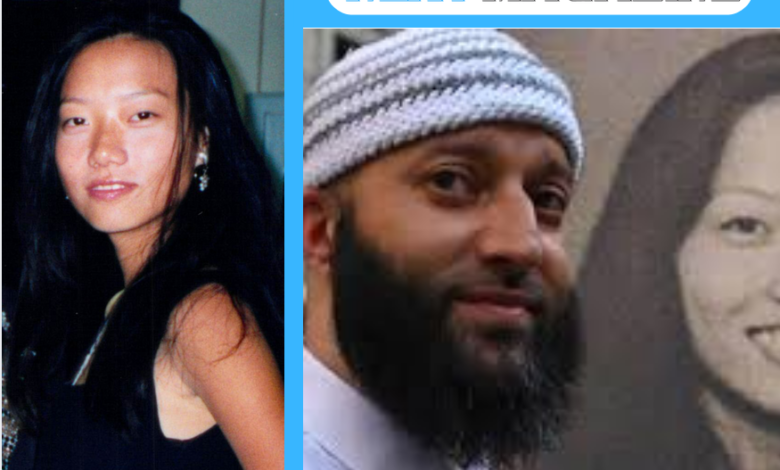
The question who killed Hae Min Lee has echoed for more than two decades across courtrooms, podcasts, and living rooms around the world. What began as a tragic disappearance in January 1999 evolved into one of the most debated criminal cases in modern American history. With convictions, appeals, a cultural phenomenon in Serial, and ongoing legal battles as of 2026, the case remains both legally complex and emotionally charged.
This comprehensive guide walks through the facts, the investigation, the trials, the controversies, and the current legal status—so you can understand where things truly stand today.
The Disappearance of Hae Min Lee
On January 13, 1999, Hae Min Lee, an 18-year-old senior at Woodlawn High School in Baltimore County, Maryland, vanished shortly after the school day ended. She was described as bright, ambitious, and determined, balancing academics, a part-time job at LensCrafters, and family responsibilities, including picking up her younger cousin from school.
That afternoon, Hae was last seen around 2:15 p.m. She never arrived to collect her cousin. She also failed to report to work. By evening, her family contacted police and reported her missing.
Initially, law enforcement treated the matter as a missing persons case. However, as hours turned into days without contact, concern intensified. Investigators began examining her personal life—particularly her recent breakup with Adnan Syed, her former boyfriend.
Discovery in Leakin Park
Nearly a month later, on February 9, 1999, a grim discovery was made in Leakin Park, a wooded area in West Baltimore. Alonzo Sellers, a maintenance worker, told police he had ventured deep into the woods to relieve himself when he noticed what appeared to be human remains partially buried.
The autopsy revealed devastating details:
- Cause of death: manual strangulation
- Estimated time of death: shortly after school dismissal on January 13
- No evidence of sexual assault
- Body partially buried in a shallow grave
Days later, Hae’s 1998 Nissan Sentra was located abandoned on a residential street. Inside were personal belongings, including her backpack and pager. While fingerprints were recovered from the vehicle, none definitively tied the crime to a single suspect. An unidentified palm print on the rearview mirror raised additional questions.
At this stage, the case shifted from missing person to homicide investigation.
Adnan Syed Becomes the Primary Suspect
Attention quickly turned to Adnan Syed, Hae’s 18-year-old ex-boyfriend. The two had dated secretly due to cultural and religious differences within Syed’s Muslim family. They broke up in December 1998, though friends described their post-breakup relationship as relatively cordial.
In February 1999, anonymous CrimeStoppers tips pointed investigators toward Syed. Detectives noted that he lacked a firm alibi for the narrow window of time during which prosecutors believed the murder occurred.
Syed’s account of the afternoon included:
- Lending his car and cellphone to friend Jay Wilds
- Visiting the school library
- Attending track practice
- Going to the mosque later that evening
However, investigators believed inconsistencies existed. On February 28, 1999, police arrested Syed and charged him with:
- First-degree murder
- Kidnapping
- Robbery
From the beginning, Syed maintained his innocence.
The Prosecution’s Case: Key Evidence Presented at Trial
The prosecution’s theory was built largely on circumstantial evidence and witness testimony rather than forensic proof.
Jay Wilds’ Testimony
The state’s central witness was Jay Wilds, who claimed Syed confessed to killing Hae and showed him her body in the trunk of her car. Wilds said Syed asked for help burying her later that night in Leakin Park.
Wilds also led police to the location of Hae’s abandoned car, strengthening his credibility in the eyes of prosecutors.
However, his statements changed multiple times across interviews. Details about where and when he saw the body varied. Despite these inconsistencies, the jury ultimately found his testimony persuasive.
Cell Phone Records
Prosecutors relied heavily on cell tower location data from Syed’s new Nokia cellphone. Records showed incoming calls pinging towers near Leakin Park around 7:00 p.m., aligning with Wilds’ burial timeline.
Years later, experts would question the reliability of early cell-site location analysis, especially for incoming calls. A disclaimer attached to the records stated they were not reliable for precise location tracking—an issue that would later become central to appeals.
Additional Circumstantial Factors
Other elements cited by the prosecution included:
- Syed’s fingerprints inside Hae’s car
- A note allegedly referencing anger after the breakup
- Testimony suggesting emotional tension
- Lack of a strong alibi during the key time window
Notably absent were:
- A murder weapon
- DNA evidence linking Syed to the crime
- Direct eyewitnesses to the killing
Despite these gaps, the state argued that the totality of evidence proved guilt beyond a reasonable doubt.
The Trials and Conviction
Syed’s first trial in December 1999 ended in a mistrial after a juror overheard inappropriate remarks. A second trial began in January 2000 and lasted approximately six weeks.
On February 25, 2000, the jury convicted Adnan Syed of first-degree murder. In June 2000, he was sentenced to life imprisonment plus 30 years.
For years, appeals were denied. The conviction appeared settled.
But that would change dramatically in 2014.
The Serial Podcast and National Attention
In 2014, journalist Sarah Koenig launched the podcast Serial, focusing its first season on Hae Min Lee’s case. The show became a global phenomenon, amassing more than 40 million downloads.
The podcast raised several issues:
- Inconsistencies in Jay Wilds’ testimony
- Questions about cell tower data reliability
- Whether Syed’s attorney, Cristina Gutierrez, provided ineffective counsel
- The overlooked alibi statement of Asia McClain, who claimed she saw Syed in the library
Public opinion fractured. Some believed Syed was wrongfully convicted. Others maintained the jury’s decision was sound.
The renewed scrutiny led to a wave of appeals and court hearings.
Legal Twists and Appeals
The years following Serial were marked by significant legal developments:
- 2016: A judge granted Syed a new trial, citing ineffective assistance of counsel.
- 2019: Maryland’s highest court reversed that ruling in a 4–3 decision.
- The U.S. Supreme Court declined to review the case.
Then came a dramatic shift in 2022. Baltimore State’s Attorney Marilyn Mosby moved to vacate Syed’s conviction, citing:
- Previously undisclosed information about alternate suspects
- Concerns about cell tower evidence
- DNA testing that excluded Syed from certain items
On September 19, 2022, a judge vacated the conviction, and Syed was released after serving more than 23 years.
Charges were later dropped, but legal controversy did not end there.
Developments in 2025–2026
In March 2023, an appellate court reinstated Syed’s conviction due to procedural issues regarding victim notification. The Maryland Supreme Court upheld that ruling in 2024, ordering a new hearing.
In March 2025, Judge Jennifer Schiffer resentenced Syed under the Juvenile Restoration Act to time served plus five years of probation, concluding he did not pose a public safety risk.
As of 2026:
- The conviction technically stands.
- Syed remains free.
- No retrial has occurred.
- Appeals and procedural challenges continue.
The legal status is complicated, leaving many still asking who killed Hae Min Lee and whether the courts reached the correct conclusion.
Alternative Suspects and Theories
Over time, several alternative theories have surfaced.
Ronald Lee Moore
A convicted criminal released shortly before Hae’s murder, Ronald Lee Moore was later linked by DNA to another 1999 homicide. Some argue his proximity and history raise suspicion, though no direct evidence ties him to Hae.
Alonzo Sellers
The man who discovered the body had prior charges for indecent exposure. Critics question how he located the grave site deep in the woods. However, no concrete evidence connects him to the crime.
Other Leads
Prosecutors disclosed that at least two alternate suspects were mentioned in early files. One allegedly made threats about Hae. These individuals were never formally charged.
Despite years of scrutiny, no definitive alternate perpetrator has been identified.
Impact on the Justice System
The case has influenced public discussions about:
- Reliability of cell phone location evidence
- Witness credibility and evolving testimony
- Prosecutorial disclosure obligations
- Juvenile sentencing reform
It also demonstrated the power of podcast journalism in reopening cold cases and influencing legal outcomes.
For many, the deeper issue is not only who killed Hae Min Lee, but whether the criminal justice system handled the investigation fairly and thoroughly.
The Human Cost
At the center of every legal twist remains Hae Min Lee, a young woman whose life was cut short.
Her family, particularly her brother Young Lee, has expressed frustration over repeated court reversals and procedural battles. They continue seeking finality and justice.
Meanwhile, Adnan Syed has consistently maintained his innocence and rebuilt his life outside prison.
The emotional toll on both families underscores the complexity of long-running criminal cases.
Conclusion
More than 27 years later, the question who killed Hae Min Lee remains unresolved in the eyes of the public. Legally, Adnan Syed’s conviction stands, though he has been resentenced and released. Doubts raised by evolving evidence, witness inconsistencies, and legal errors continue to fuel debate.
The case illustrates how fragile certainty can be in criminal trials dependent on circumstantial evidence. Whether history ultimately affirms the original verdict or uncovers new truths, Hae Min Lee’s story endures as a powerful reminder of the stakes involved in the pursuit of justice.
Frequently Asked Questions (FAQs)
1. Was Adnan Syed proven innocent?
No. As of 2026, his conviction remains legally intact, though he was resentenced to time served and released.
2. What evidence led to his conviction?
The key evidence included Jay Wilds’ testimony, cellphone location records, and circumstantial factors such as the breakup and timeline gaps.
3. Why was the conviction vacated in 2022?
Prosecutors cited undisclosed alternate suspects, concerns about evidence handling, and DNA results excluding Syed from certain items.
4. Has anyone else been charged with Hae Min Lee’s murder?
No other individual has been formally charged in connection with her death.
5. What role did the Serial podcast play?
Serial brought international attention to the case, highlighted inconsistencies, and helped prompt renewed legal review.
6. Where is Adnan Syed now?
As of 2026, he is free under resentencing terms and on probation.
7. Why does the case remain controversial?
Because it relied heavily on witness testimony and cell data, and later appeals exposed procedural and evidentiary concerns.
Get more updates or Stories on Next Magazine