

In early 2022, a quiet night in Memphis, Tennessee, turned into one of the city’s most heartbreaking true crime cases. Brandon Isabelle, a FedEx package handler with no prior criminal record, shocked the community when he murdered his girlfriend, Danielle Hoyle, and abandoned their newborn daughter, Kennedy Hoyle, in the Mississippi River. What began as a complicated love triangle spiraled into deception, violence, and a prison sentence totaling 147 years.
This detailed biography explores his background, relationships, the chilling events of February 1, 2022, the high-profile trial, and the lasting impact on the victims’ family and the Memphis community.
Early Life and Family Background
Brandon Isabelle was born around 1997 and raised in the Memphis suburb of Cordova, Tennessee, within Shelby County. Public information about his childhood remains limited, as he lived a relatively private life before the crimes. Court proceedings later revealed that he came from a seemingly stable, middle-class household. His parents cooperated with investigators following his arrest, and their home on Stacey Road became a critical location in the investigation.
Friends and acquaintances described him as soft-spoken yet charismatic. He did not have a known criminal history, which made the brutality of his actions even more shocking. Growing up in a typical suburban environment, he attended local schools and appeared to navigate young adulthood like many others—balancing work, relationships, and personal responsibilities.
Despite the absence of early warning signs, trial testimony suggested a pattern of evasiveness in personal relationships. This tendency toward secrecy would later play a central role in the tragedy that unfolded.
Professional Life at FedEx
Before his name became associated with one of Memphis’ most disturbing crimes, Brandon Isabelle worked as a package handler at FedEx, one of the region’s largest employers. In court, defense witnesses described him as reliable and hardworking. He reportedly received recognition for his performance and maintained steady employment.
His job not only provided financial stability but also introduced him to key individuals in his personal life. At FedEx, he met Danielle Hoyle, as well as another woman, Artesha Stewart, both of whom became romantically involved with him. What seemed like ordinary workplace connections soon developed into overlapping relationships.
Key aspects of his employment history included:
- Steady work in logistics and package handling
- Positive evaluations and acknowledgment for performance
- Workplace relationships that later became central to the criminal case
Though his professional life appeared stable, his personal life was increasingly chaotic. The duality between his responsible employee persona and his secretive romantic entanglements foreshadowed the devastating events ahead.
Romantic Entanglements and a Web of Deception
At the center of the tragedy was a complex and deceptive love triangle. At the time he began his relationship with Danielle Hoyle, Isabelle was married. Danielle, 27 years old, was a devoted mother of two daughters and also employed at FedEx. Their relationship began as an affair but quickly deepened.
In June 2021, Danielle discovered she was pregnant. While she reportedly expressed excitement about welcoming another child, Isabelle reacted with hesitation. Text messages presented during trial revealed his reluctance to embrace fatherhood. In one exchange, he allegedly wrote that he “couldn’t be a dad.”
Meanwhile, Artesha Stewart, another romantic partner, became aware of the pregnancy and infidelity. Tensions escalated as Stewart reportedly purchased a DNA test to confirm paternity. Isabelle attempted to maintain both relationships simultaneously, assuring each woman of his commitment while concealing the full truth.
Patterns that emerged during testimony included:
- Maintaining multiple romantic relationships simultaneously
- Denying or minimizing responsibility for the pregnancy
- Sending conflicting messages to different partners
- Avoiding public acknowledgment of fatherhood
On January 31, 2022, Danielle gave birth to Kennedy Hoyle at a Memphis hospital. Isabelle briefly visited but reportedly remained distant. The emotional and relational strain intensified as Danielle sought stability and acknowledgment for their newborn daughter.
The Fateful Night: February 1, 2022
The following evening, tragedy struck. On February 1, 2022, Isabelle texted Danielle, telling her he had baby clothes to give her at a Walgreens. Trusting him, she left home with two-day-old Kennedy and drove to meet him.
Instead of a store parking lot, prosecutors said he lured her to a secluded area near East Levi Road and Sedgwick Street in Whitehaven. There, he shot Danielle multiple times with a Glock 9mm handgun, striking her in the head and upper torso. Evidence showed four to five shots were fired. Her vehicle rolled backward, and her body was later found near the scene.
After killing Danielle, he took the newborn baby. Phone GPS data placed him at the scene between 9:02 p.m. and 9:17 p.m. Later that night, he traveled to Mud Island along the Mississippi River. Prosecutors stated that he threw Kennedy—still alive—into the freezing water. Despite extensive searches, only her hat was recovered. Her body has never been found.
Investigators later outlined chilling post-crime actions:
- Stopping at Walgreens to purchase items
- Disposing of Kennedy’s car seat in a Walmart dumpster
- Returning home to change blood-stained clothing
- Attempting to conceal evidence
The calculated nature of these steps deeply disturbed both law enforcement and the community.
Arrest, Confession, and Evidence
Danielle’s body was discovered later that evening. Her abandoned car and personal belongings prompted immediate alarm. Within hours, police focused on Isabelle due to text records and inconsistencies in his statements.
On February 2, 2022, officers detained him at his parents’ home. During a multi-hour interrogation led by Sgt. Jacoba Boyd, investigators confronted him with GPS data, surveillance footage, and digital communications. Initially denying involvement, he eventually confessed to luring Danielle, shooting her, and disposing of Kennedy in the river.
Critical evidence included:
- DNA from Danielle found on his shoes and clothing
- Gunshot residue on his pants
- GPS location data matching the crime timeline
- Deleted online searches related to ballistics
- Surveillance footage tracking his movements
His confession and the physical evidence formed a compelling case for prosecutors. He was charged with two counts of first-degree murder, aggravated kidnapping, and aggravated child neglect.

The Trial in Shelby County
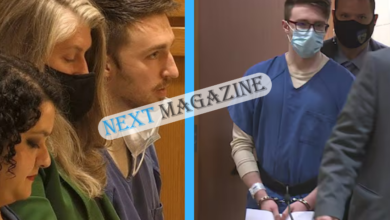
The trial of Brandon Isabelle began on September 23, 2025, in Shelby County Criminal Court. Over two weeks, jurors heard emotional testimony from family members, forensic experts, and former partners.
Prosecutor Eric Christensen presented video footage of the confession, forensic findings, and digital evidence establishing a timeline. Witnesses described Isabelle’s behavior in the days surrounding the murders, including his apparent calm demeanor.
Key trial elements included:
- Testimony from Artesha Stewart regarding their relationship
- Emotional statements from Danielle’s mother, April Campbell
- Autopsy results confirming five gunshot wounds
- GPS data mapping his route on February 1
The defense argued that his confession was coerced and presented an expert to question interrogation methods. However, Isabelle did not testify in his own defense.
On September 30, 2025, after approximately 90 minutes of deliberation, the jury found him guilty on all counts—even without the recovery of Kennedy’s body.
Sentencing: 147 Years in Prison
On November 19, 2025, Judge Jennifer Johnson imposed a sentence totaling 147 years. The breakdown included:
- Life imprisonment with the possibility of parole after 51 years for Danielle’s murder
- A consecutive life term for Kennedy’s murder
- Additional consecutive sentences totaling 45 years for kidnapping and child neglect
Notably, the 22.5-year child neglect sentence symbolized Kennedy’s brief life of approximately 22.5 hours.
In court, Isabelle offered an apology. Danielle’s family rejected it, emphasizing the irreversible harm. Impact statements described ongoing trauma, particularly for Danielle’s surviving daughters, who lost both their mother and infant sister.
Impact on the Victims’ Family and Memphis Community
The loss of Danielle Hoyle devastated her family. She was remembered as a loving mother and hardworking employee. Her two surviving daughters continue to cope with profound grief.
The disappearance of Kennedy’s body compounds the anguish. Extensive river searches in freezing conditions failed to recover her remains. The absence of physical closure remains a source of enduring pain.
Community responses included:
- Public vigils honoring Danielle and Kennedy
- Widespread media coverage
- Discussions about domestic violence and paternal responsibility
- Online forums analyzing the case timeline
The case, often referred to as the “Baby in the River” tragedy, gripped Memphis and drew national attention.
Public Reaction and Media Coverage
National and local media extensively covered the story, particularly during the 2025 trial. True crime platforms, television broadcasts, and online communities dissected every detail. The case sparked broader debates about infidelity, fatherhood, and accountability.
Many observers were struck by the contrast between Isabelle’s outwardly ordinary life and the severity of his crimes. The narrative of a young father rejecting responsibility resonated widely, fueling intense public scrutiny.
Current Status and Reflection
As of February 2026, Brandon Isabelle is incarcerated in Tennessee, serving his 147-year sentence. There have been no successful appeals reported to date. His case stands as one of Memphis’ most tragic modern criminal proceedings.
The story underscores how personal deception and unresolved conflict can escalate into irreversible violence. It also highlights how digital evidence—GPS tracking, text messages, and forensic science—played a pivotal role in securing justice.
Conclusion
The biography of Brandon Isabelle is a grim account of betrayal, violence, and legal accountability. What began as a hidden affair ended in the deaths of Danielle Hoyle and baby Kennedy Hoyle, leaving a permanent scar on their family and the Memphis community. The 147-year sentence ensures he will spend the remainder of his life behind bars, but no punishment can restore what was lost.
Danielle and Kennedy’s memory endures through their family’s resilience and the community’s commitment to remembering them—not just as victims, but as cherished lives taken too soon.
Frequently Asked Questions (FAQs)
1. Who is Brandon Isabelle?
He is a Memphis man convicted of murdering his girlfriend, Danielle Hoyle, and their newborn daughter, Kennedy Hoyle, in February 2022.
2. What sentence did he receive?
He was sentenced in November 2025 to a total of 147 years in prison, including consecutive life terms.
3. Was Kennedy Hoyle’s body ever found?
No. Despite extensive searches of the Mississippi River, only her hat was recovered.
4. What was the motive behind the crime?
Prosecutors argued the motive was his rejection of fatherhood and desire to avoid responsibility amid complicated romantic relationships.
5. When did the trial take place?
The trial began on September 23, 2025, and concluded with a guilty verdict on September 30, 2025.
6. Where did the murders occur?
Danielle was shot near East Levi Road and Sedgwick Street in Whitehaven. Kennedy was thrown into the Mississippi River near Mud Island.
7. Did he confess?
Yes. After hours of interrogation and being confronted with evidence, he confessed to the crimes.
Get more updates or Stories on Next Magazine